Jobs on Petrol Platform: Offshore Roles, Pay, and How to Get Started
Jobs on Petrol Platform: What These Roles Usually Mean
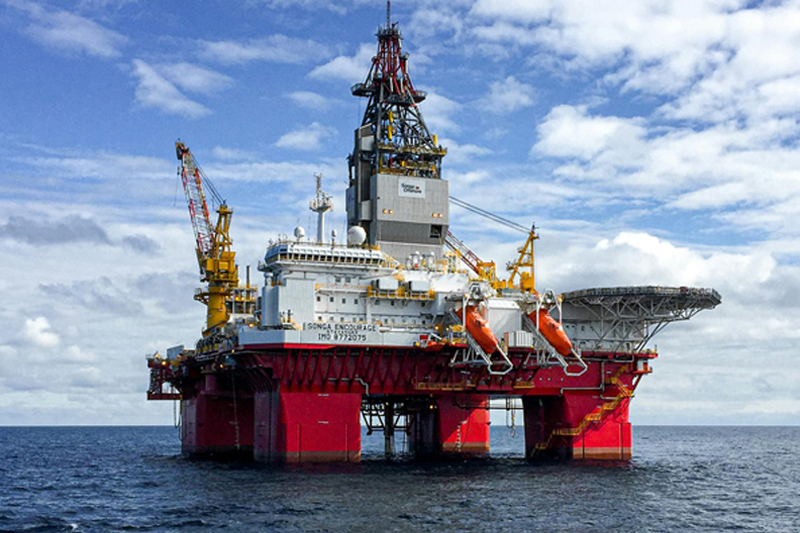
When people search for jobs on petrol platform, they usually mean offshore oil and gas platform work. These jobs can include hands-on crew roles, equipment operation, and technical positions that support drilling and production. The U.S. Bureau of Labor Statistics groups many of these under oil and gas workers, and notes that some crews on offshore rigs spend weeks away from home and work long shifts, often followed by time off.
Common Jobs on a Petrol Platform
Some of the best-known jobs on petrol platform include roustabouts, derrick operators, rotary drill operators, and service unit operators. BLS says roustabouts assemble and repair oilfield equipment, clean rigs and work areas, and may help load and unload supplies on offshore rigs. Derrick operators rig derrick equipment and operate pumps used in drilling.
There are also higher-skill technical roles in the industry, including petroleum engineers, who help improve oil and gas extraction methods. BLS projects about 1,200 petroleum engineer openings per year on average from 2024 to 2034.
Pay and Job Outlook
One reason people look for jobs on petrol platform is the pay. BLS says the median annual wage for oil and gas workers was $52,610 in May 2024. Within that group, median pay was $65,010 for rotary drill operators, $62,740 for derrick operators, $57,980 for service unit operators, and $47,510 for roustabouts. Overall employment of oil and gas workers is projected to grow 1% from 2024 to 2034, with about 10,600 openings each year on average.
How to Get Started
Many entry-level jobs on petrol platform do not require a college degree. BLS says oil and gas workers typically learn on the job, and roustabout positions often serve as an entry point for people who want to move into higher-level drilling roles later. Some employers may prefer a high school diploma, related work experience, or safety certification, and some jobs may require a commercial driver’s license depending on the equipment involved.
Final Thoughts
If you want physically demanding, high-responsibility work with trade-style career progression, jobs on petrol platform can be a strong option. The best path is usually to start with entry-level rig or field roles, build safety and equipment experience, and then move up into better-paid offshore positions over time.