AI Porn Sites: Why They Are Becoming a Major Privacy, Consent, and Legal Risk
Why This Topic Is Growing So Fast
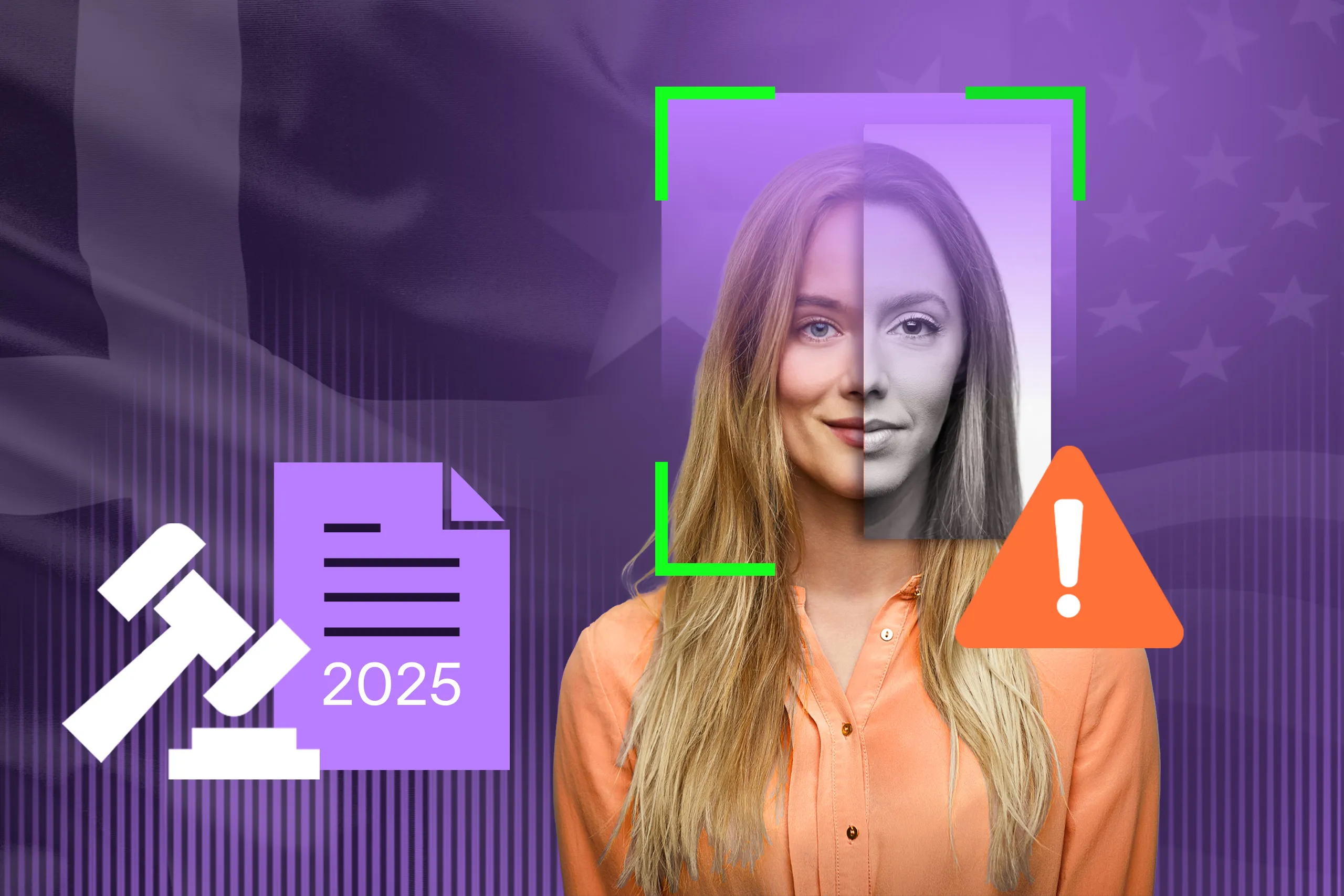
Searches for “AI porn sites” are rising because synthetic-image and chatbot tools have become cheaper, faster, and easier to access. What once felt like a niche corner of the internet now sits in the middle of wider debates about deepfakes, intimate-image abuse, platform accountability, and digital safety. NIST has warned that generative AI can make it easier to create or access non-consensual intimate imagery and child sexual abuse material, while recent European regulatory moves show governments are treating sexually explicit AI misuse as a growing online-safety problem, not just a tech curiosity.
The Biggest Issue Is Consent
The core problem with many AI porn sites is consent. A lot of these services are not just hosting fictional adult content. They may be used to generate sexualized images of real people, alter photos without permission, or create deepfake-style intimate content that targets private individuals. The U.S. Federal Trade Commission says nonconsensual intimate imagery can include altered or AI-generated images that make it appear someone is nude, partially nude, or engaged in sexual conduct. That matters because fake imagery can still cause very real humiliation, harassment, blackmail, and reputational harm.
This is also why the legal environment is changing quickly. The UK government said in February 2026 that creating or requesting deepfake intimate images of adults without consent would become illegal, and it framed the move as part of a broader effort to address evolving deepfake threats. That signals a clear shift: regulators are increasingly treating AI-driven sexual image abuse as a serious harm category rather than dismissing it as edgy internet behavior.
Privacy Risks Go Far Beyond the Images
Many users assume AI porn sites are private because they feel anonymous. In reality, that assumption can be dangerous. A site may store uploaded selfies, prompts, chat logs, device identifiers, IP addresses, payment data, or account history. Once highly sensitive material enters a poorly governed system, the user may lose control over where it goes, how long it is stored, or whether it is used to improve future models. NIST’s work on synthetic-content risks highlights provenance, traceability, and labeling as important safeguards, but it also makes clear those protections are still developing and not consistently applied across the internet.
That risk gets even worse when someone uploads another person’s image. At that point, the issue is not only the uploader’s privacy but the target’s dignity, safety, and digital rights. Even if a site markets itself as “for fun,” its actual use can turn into image-based abuse very quickly. The gap between what these sites promise and what they enable is one of the biggest reasons the topic is now under much closer scrutiny.
“Free” and “Anonymous” Often Hide Bigger Dangers
A lot of traffic around AI porn sites is driven by words like “free,” “private,” or “no signup.” But in risky parts of the web, free access often means the platform is making money through aggressive ads, data harvesting, malware-style redirects, or fake upgrade funnels. Users may think they are only experimenting with a synthetic media tool, then end up exposing personal data or downloading something malicious. The FTC’s consumer guidance on nonconsensual intimate imagery exists because once intimate content is online, removal is difficult, emotional harm can be severe, and victims often need formal reporting options.
There is also a child-safety angle that makes this space even more serious. Europol said in 2025 that it supported a large international operation that led to 25 arrests tied to AI-generated child sexual abuse material, and Reuters reported in February 2026 that actionable reports involving AI-generated child sexual abuse imagery had more than doubled over the past two years. Those are strong reminders that adult-themed AI sites do not exist in a harmless vacuum; weak controls can overlap with much darker forms of exploitation.
Regulation Is Tightening Around Platforms
Governments are not only targeting creators and uploaders. They are also putting pressure on platforms. In the United States, the TAKE IT DOWN Act was signed into law in May 2025, and a Congressional Research Service summary says covered platforms must establish a notice-and-removal process by May 19, 2026 for nonconsensual intimate visual depictions. In Europe, the European Commission’s draft code of practice on AI-generated content says the AI Act’s transparency rules for AI-generated content will become applicable on August 2, 2026. Together, these developments point in one direction: sites hosting or enabling deceptive sexual AI content face rising compliance, moderation, and legal pressure.
What Users and Families Should Know
For ordinary users, the smartest takeaway is simple: do not assume an AI porn site is private, safe, or lawful just because it looks polished. If a site encourages uploads of real people, offers weak moderation, or hides how it handles data, that is a major warning sign. For families, the issue is even more urgent because minors can be targeted through fake nude generation, coercion, and sharing abuse. NCMEC’s Take It Down service is specifically designed to help remove or stop the online sharing of nude, partially nude, or sexually explicit images involving people who were under 18 when the content was created.
Final Thoughts
The phrase “AI porn sites” may sound like a simple search term, but the reality behind it is much more serious. This is really a story about consent, privacy, fraud, exploitation, and the struggle to keep synthetic media from becoming a tool for abuse. For a responsible article, the best angle is not to promote these sites, but to explain why regulators, safety experts, and victim-support organizations are paying much closer attention in 2026. Helpful sources for readers include the FTC, NIST, the UK government, the European Commission, Europol, and NCMEC’s Take It Down service.