Rent Increase Letter to Tenant: How to Write a Clear and Professional Notice
A rent increase letter to tenant is a formal notice that tells a renter their monthly rent will change starting on a specific date. For landlords and property managers, this letter is important because it creates a written record, keeps communication professional, and helps avoid misunderstandings. For tenants, it makes the change clear in writing so they know the new amount, when it begins, and what to expect next. In the U.S., notice requirements can vary by lease terms and local or state rules, so it is smart to review those requirements before sending any increase notice.
Why a Rent Increase Letter Matters
Even when a rent increase is reasonable, the way it is communicated matters a lot. A clear letter shows professionalism and gives the tenant time to prepare. It also helps protect both sides by documenting the current rent, the new rent, and the effective date. Written notice is especially important because rental rights and requirements can depend on where the property is located, and renters may have state or local protections that affect how changes are handled.
A good notice does not need to sound harsh or overly legal. In fact, the best rent increase letters are usually simple, respectful, and direct. The goal is not to create tension. The goal is to communicate a business decision clearly while maintaining a better landlord-tenant relationship.
What to Include in the Letter
A proper rent increase letter should include the basic information the tenant needs right away. That usually means the tenant’s name, the rental property address, the date of the notice, the current rent amount, the new rent amount, and the exact date the increase takes effect. If the increase is being made under the existing lease terms or at renewal time, that can also be mentioned briefly.
HUD guidance for certain housing contexts emphasizes that written notice should specify the new rent and the date it becomes effective. That same principle is useful for ordinary rental communication too: the more clearly those details are stated, the less chance there is for confusion later.
It is also helpful to include contact information at the end of the letter. That gives the tenant a simple way to ask questions if they need clarification.
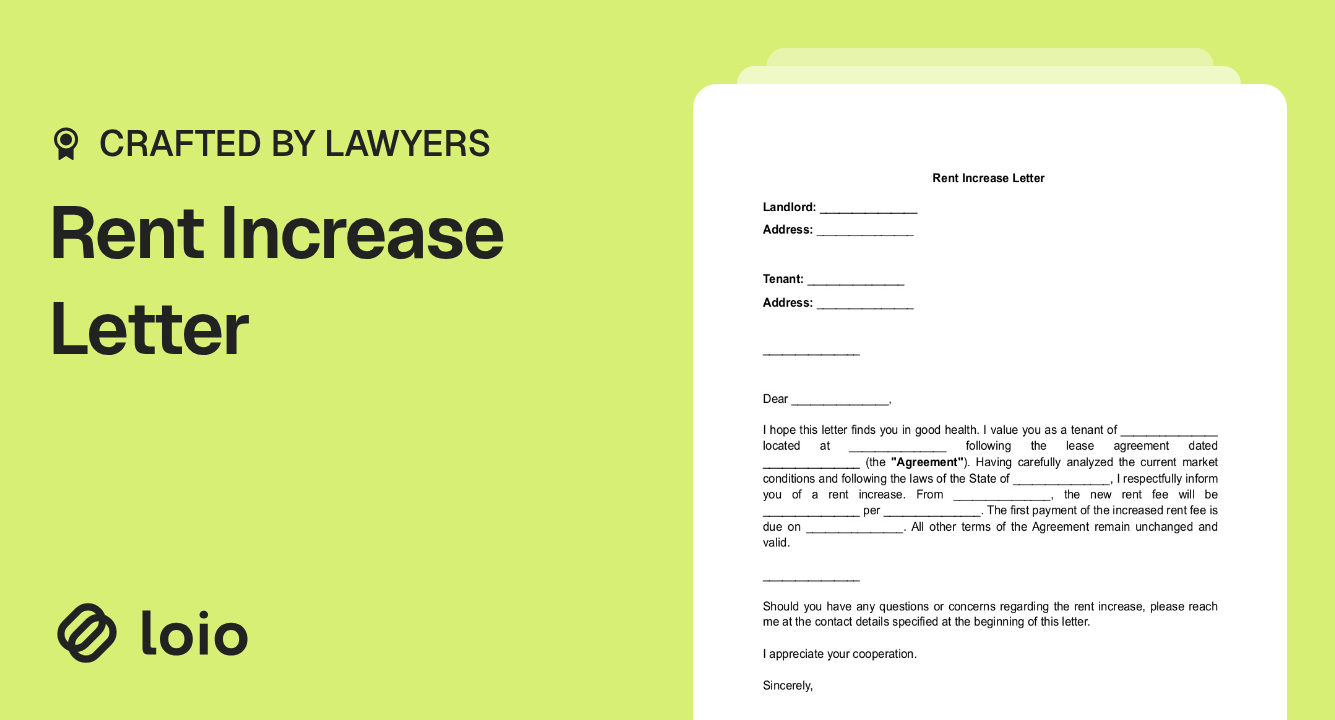
Sample Rent Increase Letter to Tenant
Here is a simple sample you can adapt:
[Landlord’s Name]
[Landlord’s Address]
[City, State, ZIP Code]
[Date]
[Tenant’s Name]
[Rental Property Address]
[City, State, ZIP Code]
Subject: Notice of Rent Increase
Dear [Tenant’s Name],
I hope you are doing well. This letter is to formally notify you that the monthly rent for the property located at [property address] will increase from [current rent amount] to [new rent amount], effective [effective date].
This notice is being provided in writing so you have advance notice of the upcoming change. Please ensure that rent payments made on or after [effective date] reflect the new monthly amount.
Thank you for your tenancy and cooperation. If you have any questions regarding this change, please contact me at [phone number or email].
Sincerely,
[Landlord’s Name]
This sample works well because it is short, clear, and professional. It gives the tenant the necessary information without adding unnecessary wording.
Tips for Writing It Professionally
One of the most important things is accuracy. Double-check the tenant’s name, address, rent figures, and dates before sending the letter. A small mistake can cause confusion and make the notice look careless.
Tone matters too. Even though the letter is formal, it should still sound respectful. A calm and polite message is much better than one that feels cold or demanding. If you want, you can add one brief sentence explaining that the increase is related to market conditions, rising operating costs, or lease renewal, but keep it short. The letter should stay focused on the change itself.
It is also wise to keep a copy of the notice for your records. If you deliver it by mail or email, save proof of delivery whenever possible. Since renters can have local, state, and federal rights, keeping clear records is a smart part of responsible property management.
Common Mistakes to Avoid
A common mistake is being vague. If the letter does not clearly state the new rent amount or the effective date, the tenant may misunderstand what is changing. Another mistake is sending the notice too late. Some housing programs and jurisdictions require advance written notice, and rules can differ depending on the property and location.
Another problem is making the letter too emotional or too long. A rent increase letter is not the place for a long argument or too much explanation. Keep it straightforward. The clearer the letter is, the better it usually works.
Final Thoughts
A rent increase letter to tenant is a simple but important document. It helps landlords communicate clearly, gives tenants written notice, and creates a useful record for both sides. The best version is one that is respectful, easy to understand, and specific about the new amount and effective date.
Before sending any rent increase notice, make sure you review the lease and check the rules that apply in your area, since renter protections and notice requirements can vary. That extra step can help you avoid mistakes and handle the increase in a much more professional way.