Employee Write Up Forms: What They Are and Why They Matter
Employee write up forms are an important part of workplace documentation. They are used to record performance problems, policy violations, attendance issues, misconduct, or other situations that require formal follow-up. In HR practice, a written warning is generally meant to bring attention to conduct or performance deficiencies and document what needs to improve. Indeed also describes an employee write-up as formal documentation of a rule violation or workplace issue that usually becomes part of the employee’s personnel record.
Many businesses use these forms to keep discipline consistent and professional. Instead of relying on memory or informal conversations, a write up form creates a clear written record of what happened, when it happened, and what the employee is expected to do next. That matters because consistency in discipline can reduce unfair treatment claims and make the process easier for managers and HR teams to handle properly.
What Is an Employee Write Up Form?
An employee write up form is a standard document used by a manager or HR representative to formally record an employee issue. It is often used after informal coaching or verbal warnings, although some serious violations may justify immediate written discipline depending on company policy. SHRM notes that written warnings are commonly part of progressive discipline, while HR guidance from Indeed explains that the form is used when an employee breaks a rule or repeatedly fails to meet expectations.
The main purpose of the form is not just punishment. A good write up form is supposed to be corrective. It should explain the problem clearly, connect it to policy or performance standards, and set out what improvement is required. SHRM’s sample written warning says the purpose is to bring attention to deficiencies in conduct or performance, and Indeed likewise emphasizes corrective action as one of the main reasons these forms are used.
What Information Should the Form Include?
A strong employee write up form should include the employee’s name, job title, department, supervisor name, and the date of the incident or warning. It should then describe the issue in specific terms, including what happened, which policy or expectation was violated, and any previous coaching or warnings that relate to the situation. Template examples published by Indeed for warning notices show these core fields clearly, including identification details, the nature of the misconduct, and the policy involved.
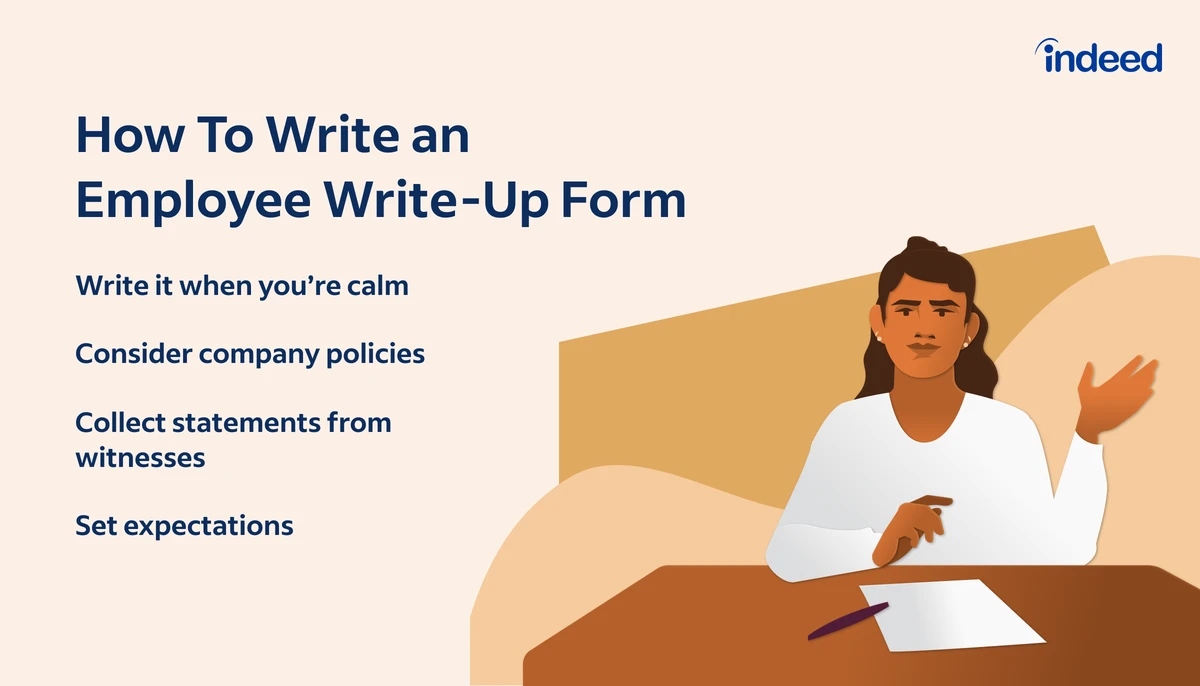
The form should also include expectations for improvement. This is one of the most important parts. Instead of only describing the problem, the document should explain what the employee must do to correct it, the deadline for improvement if relevant, and what could happen if the behavior continues. Recent SHRM guidance on disciplinary meetings also supports using written warnings as a serious step that clarifies expectations and consequences.
Another important section is acknowledgment. SHRM reports that employees should generally be asked to sign documentation to confirm they received the warning and understand what is expected, although refusal to sign does not necessarily stop the process. That signature is usually an acknowledgment of receipt, not an admission of guilt.
Why Businesses Use Standard Forms
Using a standard employee write up form helps managers handle discipline more fairly. If every supervisor documents problems differently, the process can become inconsistent and harder to defend. Indeed points out that standard forms help establish consistent procedures, and SHRM’s broader HR forms library reflects how common standardized documentation is in HR operations.
Standard forms also make recordkeeping easier. Documentation becomes much more useful when every case includes the same key facts, such as the date, issue, witness information if needed, and required next steps. ADP’s recordkeeping guidance stresses that employers should maintain proper employment-related documentation and keep personnel information organized, while also separating out certain sensitive records such as medical information.
Common Situations That Lead to a Write Up
Employee write up forms are often used for repeated lateness, attendance problems, failure to follow procedures, poor performance, misuse of company resources, workplace conduct issues, or safety violations. Indeed’s employer guidance gives similar examples, including regular tardiness, ignoring safety procedures, and poor job performance. The exact triggers depend on company policy, but the purpose is usually the same: document the issue and give the employee a fair opportunity to improve.
Not every problem should automatically be handled the same way, though. ADP handbook guidance warns employers against discipline policies that are so rigid they remove judgment from the process, because the right response can depend on the severity of the offense and the circumstances involved.
Mistakes to Avoid
One common mistake is writing the form while angry. Indeed specifically advises employers to stay calm and follow company policy carefully when preparing a write up. Emotional or vague language can weaken the document and make the situation worse.
Another mistake is being too general. A write up should not say only that the employee had a “bad attitude” or “poor performance.” It should describe observable behavior, relevant dates, and the standard that was not met. SHRM’s documentation guidance and sample warning materials both support clear, factual wording tied to conduct or performance expectations.
Final Thoughts
Employee write up forms are not just paperwork. When used correctly, they help businesses document workplace issues, apply discipline more consistently, and give employees a clear path for improvement. Strong forms are factual, specific, tied to company policy, and focused on what happens next rather than simply blaming the employee. SHRM and Indeed both frame written warnings as a serious but useful step in managing conduct and performance problems professionally.
For small businesses, managers, and HR teams, a good employee write up form can make discipline more organized and easier to handle. It creates a record, sets expectations, and supports a fairer process for everyone involved. If you want, I can also turn this keyword into a version that includes a sample employee write-up form template.