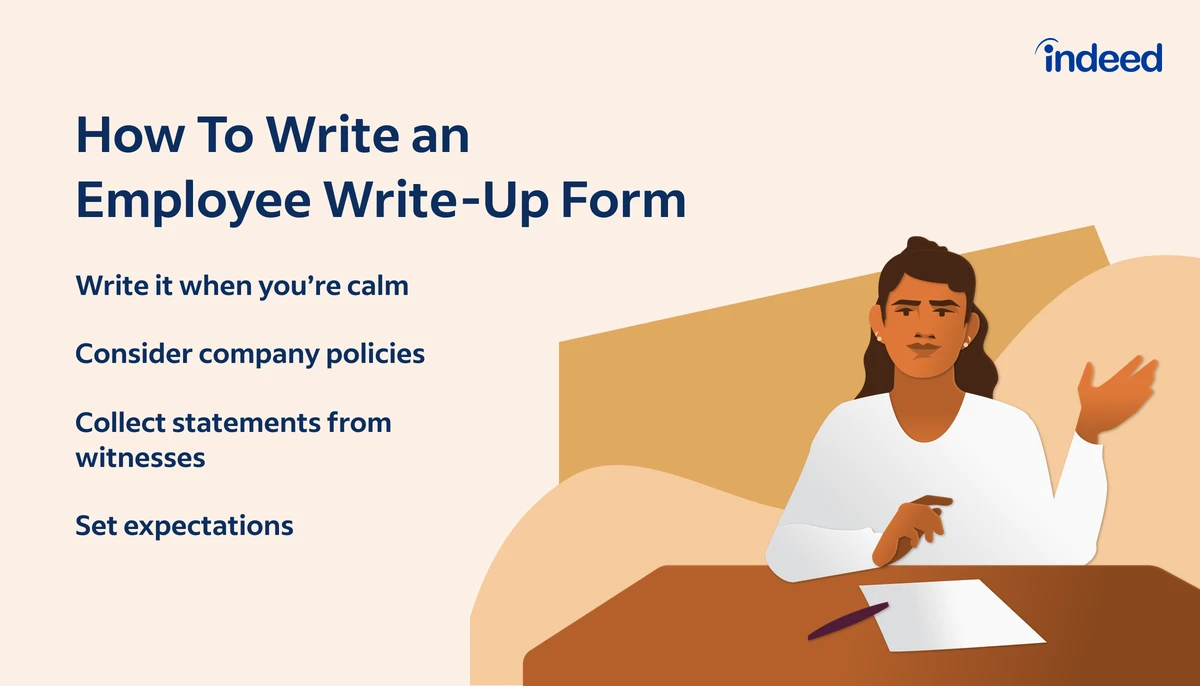
Employee Write Up Form: What It Is, Why It Matters, and How to Use It Properly
An employee write up form is a simple but important document used by employers and managers to record workplace issues, policy violations, or performance concerns. While the phrase may sound negative, the real purpose of a write up form is not just discipline. In many cases, it is a tool for communication, accountability, and improvement. When used correctly, it helps businesses handle problems fairly and gives employees a clear understanding of what needs to change.
For small businesses, growing companies, and large organizations alike, having a proper employee write up form can make human resource processes more organized and professional. It creates a written record of incidents, supports consistent management decisions, and helps protect both the employer and the employee in case of future disputes.
What Is an Employee Write Up Form?
An employee write up form is a formal document that records a workplace concern involving an employee. This can include misconduct, repeated tardiness, poor performance, attendance problems, violation of company policy, insubordination, or other behavior that does not meet workplace expectations.
The form usually includes important details such as the employee’s name, department, date of the incident, description of the issue, previous warnings if any, corrective action required, and signatures from both the manager and the employee. In some companies, this document is also called a disciplinary action form, employee warning notice, or corrective action form.
The main idea behind the form is to clearly document what happened and what steps are expected moving forward. It provides structure to conversations that might otherwise become emotional, unclear, or inconsistent.
Why Businesses Use Employee Write Up Forms
Many employers use employee write up forms because verbal warnings alone are often not enough. A written form gives clarity and creates a professional record. This becomes especially useful when the same issue happens more than once or when managers need to show that an employee was given fair notice and a chance to improve.
Write up forms also help businesses stay consistent. If one employee is documented for repeated lateness, then the same standard can be applied to others. This reduces favoritism and strengthens workplace fairness. In addition, proper documentation can support HR departments if further disciplinary steps become necessary later.
For employees, a write up form can also be helpful. It gives them a clear explanation of the issue, allows them to respond, and outlines what improvement is expected. In that sense, it is not only a disciplinary tool but also a communication tool.
What Should Be Included in an Employee Write Up Form?
A good employee write up form should be simple, clear, and professional. It should avoid emotional language and focus only on facts. Most forms include the employee’s full name, job title, department, supervisor’s name, and the date the form is being issued.
The form should then explain the specific issue in detail. For example, instead of writing “bad attitude,” it is better to describe the actual behavior, such as refusing to follow instructions, using disrespectful language, or walking away during a meeting. Clear details make the record stronger and more useful.
It is also common to include the policy or rule that was violated, previous warnings if they exist, and the corrective action the employee must take. Some forms include a deadline for improvement and space for additional comments. Finally, signatures are usually added to show that the discussion took place, even if the employee does not fully agree with the write up.
When Should an Employee Be Written Up?
An employee should be written up when there is a legitimate need to document behavior or performance that falls below company standards. This does not mean every small mistake requires formal paperwork. Many day-to-day issues can be solved through coaching or a quick conversation. However, when the problem is repeated, serious, or affects the workplace in a bigger way, a written record becomes more important.
Common reasons for writing up an employee include excessive absenteeism, repeated lateness, poor job performance, workplace misconduct, failure to follow procedures, safety violations, harassment, or unprofessional behavior. The key is to make sure the reason is valid, documented, and handled consistently across the organization.
Managers should also be careful not to use write ups as a reaction to frustration. A write up should be based on facts, not emotions. It should always be part of a fair and reasonable process.
Best Practices for Using an Employee Write Up Form
The best employee write up forms are used professionally and consistently. Managers should fill them out as soon as possible after an incident so the details remain accurate. The conversation with the employee should be private and respectful, even when the issue is serious.
It is important to explain the concern clearly and give the employee a chance to share their side of the story. Some companies include a section where the employee can write comments or add a response. This can be valuable because it shows that the process was fair and that the employee had an opportunity to be heard.
Another best practice is to store completed write up forms securely in the employee’s file. These documents often contain sensitive information, so they should only be accessed by authorized staff. Employers should also make sure the form matches company policies and local labor laws.
Final Thoughts
An employee write up form is more than just a disciplinary document. It is a practical tool that supports better management, clearer communication, and more consistent workplace standards. When used fairly, it can help correct issues early, guide employee improvement, and protect the organization from unnecessary confusion or legal risk.
Whether you run a small business or manage a larger team, having a reliable employee write up form can make workplace documentation much easier. The key is to keep it factual, respectful, and focused on improvement. A well-written form does not just record a problem. It also creates a path toward a better outcome for everyone involved.