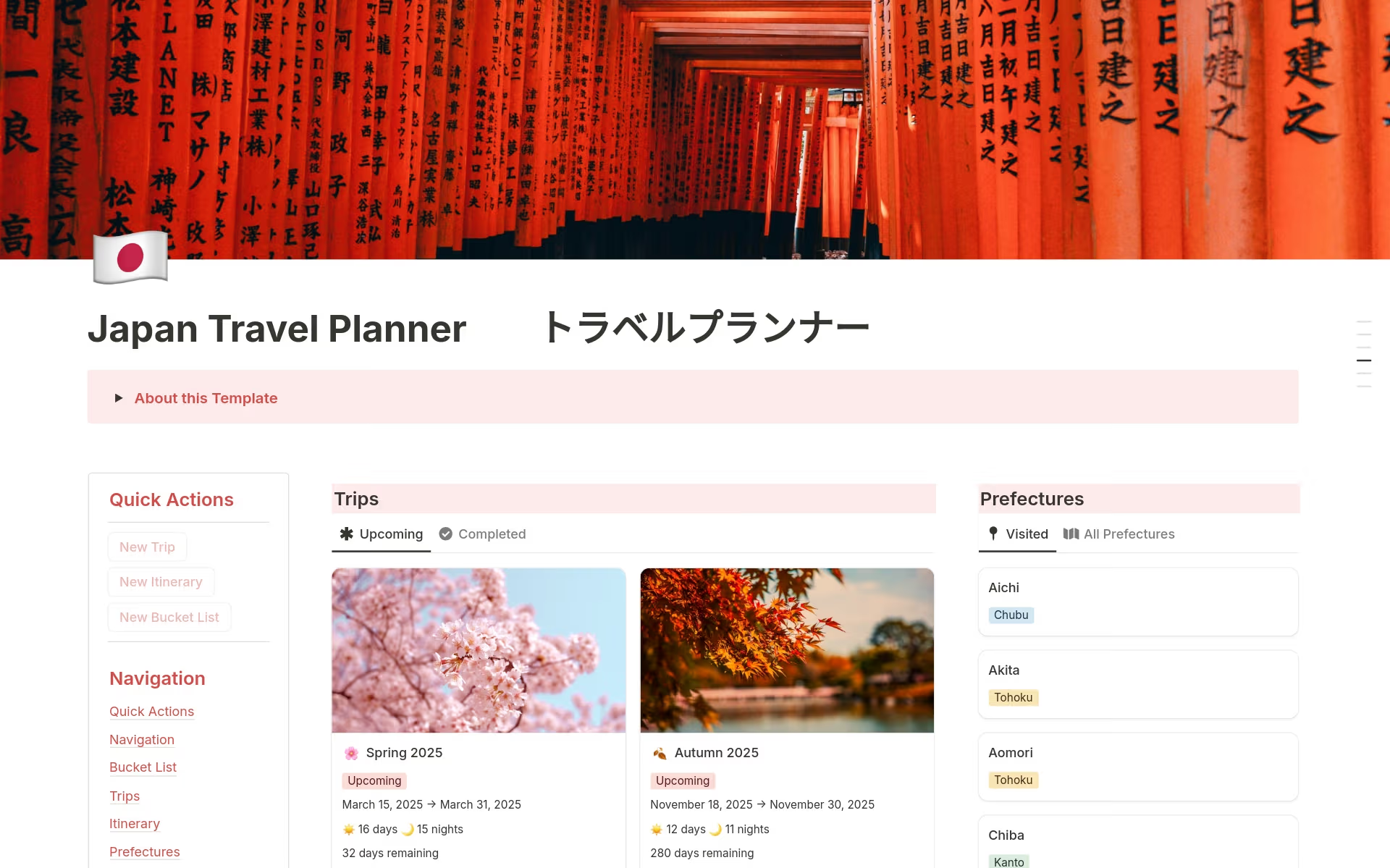
Japan Budget Template Spreadsheet: Plan Your Itinerary and Cost to Japan the Smart Way
Planning a trip to Japan is exciting, but it can also feel overwhelming once you start thinking about flights, hotels, local transport, food, attractions, and shopping. That is exactly why using a Japan budget template spreadsheet can make your travel planning much easier. Instead of guessing your total expenses, a spreadsheet helps you organize every part of your trip and gives you a clear view of your expected cost to Japan before you even leave home.
A well-made travel budget does more than just track money. It helps you build a realistic itinerary, decide where to save, and understand where your biggest costs will be. Whether you are visiting Tokyo, Osaka, Kyoto, or planning a multi-city adventure, a spreadsheet can keep your plans practical and stress-free.
Why a Japan Budget Template Spreadsheet Is Useful
Japan is often seen as an expensive destination, but the truth is that your total travel cost depends heavily on your planning style. Some travelers want a luxury experience with premium hotels and fine dining, while others prefer budget hotels, convenience store meals, and rail passes. A spreadsheet helps both kinds of travelers.
When you create a Japan budget template spreadsheet, you can break your trip into simple categories such as flights, accommodations, transportation, food, sightseeing, shopping, and emergency funds. Once everything is listed in one place, it becomes much easier to compare options and avoid overspending.
Another major benefit is flexibility. If your hotel cost increases, you can immediately see how it affects the rest of your budget. If you want to add a day trip to Mount Fuji or Nara, you can enter the estimated costs and decide whether it still fits within your spending limit.
What to Include in Your Japan Travel Budget Spreadsheet
A good spreadsheet should be simple, clear, and easy to update. Start with your trip basics, such as travel dates, number of days, number of travelers, and destination cities. Then build your cost sections.
The first category should usually be flights. This is one of the biggest parts of the cost to Japan, especially for international travelers. Add your round-trip airfare and include baggage fees if needed.
Next, include accommodation costs. Japan has many options, including hostels, capsule hotels, business hotels, Airbnbs, and luxury hotels. It helps to list the nightly rate and multiply it by the number of nights. This gives you a quick idea of how much your stay will cost overall.
Then move to transportation. In Japan, this can include airport transfers, metro passes, bullet train tickets, IC cards, buses, and taxis. If your itinerary includes travel between cities, transportation can become a major part of your budget, so it deserves its own section in the spreadsheet.
You should also add a food budget. Some travelers underestimate this category, but daily meals, snacks, coffee, and convenience store stops can add up fast. Even setting a rough daily estimate can help you stay prepared.
Finally, include activities and attractions, such as theme parks, temples, museums, observation decks, or guided tours. You may also want separate rows for shopping, travel insurance, visa fees, mobile SIM or Wi-Fi rental, and emergency cash.
How to Build a Japan Itinerary and Cost Plan Together
One of the smartest ways to use a Japan budget template spreadsheet is to combine your itinerary with your cost breakdown. This means you are not only planning where to go, but also how much each day may cost.
For example, if your itinerary says Day 1 is arrival in Tokyo, you can list airport train fare, hotel check-in cost, meals, and any small purchases. If Day 3 includes Tokyo Disneyland, your sheet can include ticket prices, transport, food, and souvenirs. This daily planning method gives you a much more accurate estimate than a general guess.
It also helps you make smarter travel decisions. You may realize that doing too many paid activities back-to-back is stretching your budget. Or you might discover that staying one extra night in Kyoto makes more sense than rushing to the next city and spending more on transport.
Estimated Cost to Japan for Different Travel Styles
The total cost to Japan can vary widely depending on how you travel. A budget traveler may spend mostly on essentials and choose affordable lodging and local food. A mid-range traveler may prefer private hotel rooms, restaurant meals, and more sightseeing. A luxury traveler may spend significantly more on premium hotels, private transport, and upscale dining.
For a one-week trip, flights are often the largest upfront cost. After that, accommodation and transportation usually take the biggest share of the budget. Food can remain manageable if you mix casual restaurants with affordable convenience store meals. Attractions are easier to control because you can choose between free experiences and paid ones.
That is why a spreadsheet is so valuable. It allows you to create your own version of the cost to Japan instead of relying on broad online averages that may not match your travel style.
Tips for Keeping Your Japan Trip Affordable
A spreadsheet is only helpful if you actually use it to guide your decisions. One of the best ways to save money is to book flights and hotels early. Prices often rise as dates get closer, especially during peak seasons like cherry blossom season and autumn foliage season.
It also helps to compare whether a rail pass or individual train tickets make more sense for your itinerary. Not every traveler needs the same transport pass, and your spreadsheet can help you calculate the better option.
Food costs can also be managed well in Japan. You do not need to eat at expensive restaurants every day to enjoy great food. Japan offers plenty of affordable and high-quality meals through ramen shops, convenience stores, local diners, and food courts.
Most importantly, leave room for unexpected spending. Shopping, extra snacks, and spontaneous stops are part of the travel experience, so your spreadsheet should include a buffer rather than only covering the basics.
Final Thoughts
Using a Japan budget template spreadsheet is one of the easiest ways to turn a dream trip into a realistic and well-organized plan. It helps you map out your itinerary, estimate your cost to Japan, and make better decisions before and during your journey.
Instead of feeling confused by prices and schedules, you can travel with confidence because everything is already planned in one place. Whether your goal is a low-cost adventure or a more comfortable vacation, a smart spreadsheet gives you control, clarity, and peace of mind. For anyone planning a trip to Japan, it is not just a helpful tool. It is one of the best travel planning steps you can take.