Fake Coronavirus Doctor Note: Why It’s Risky and What to Do Instead
Understanding Why People Search for a Fake Coronavirus Doctor Note
When people search for a fake coronavirus doctor note, it is often because they feel pressured. Some are afraid of missing work, losing pay, falling behind in school, or getting in trouble for an absence. During and after the COVID period, many employers and schools became stricter about attendance, documentation, and sick leave policies. As a result, some people began looking for shortcuts instead of legitimate solutions.
That reaction may feel understandable in a stressful moment, but using a fake medical note is a serious mistake. What seems like a quick fix can create much bigger problems later. A false document is not just dishonest. It can damage trust, lead to disciplinary action, and in some situations cause legal trouble as well.
Why Using a Fake Doctor Note Is a Bad Idea
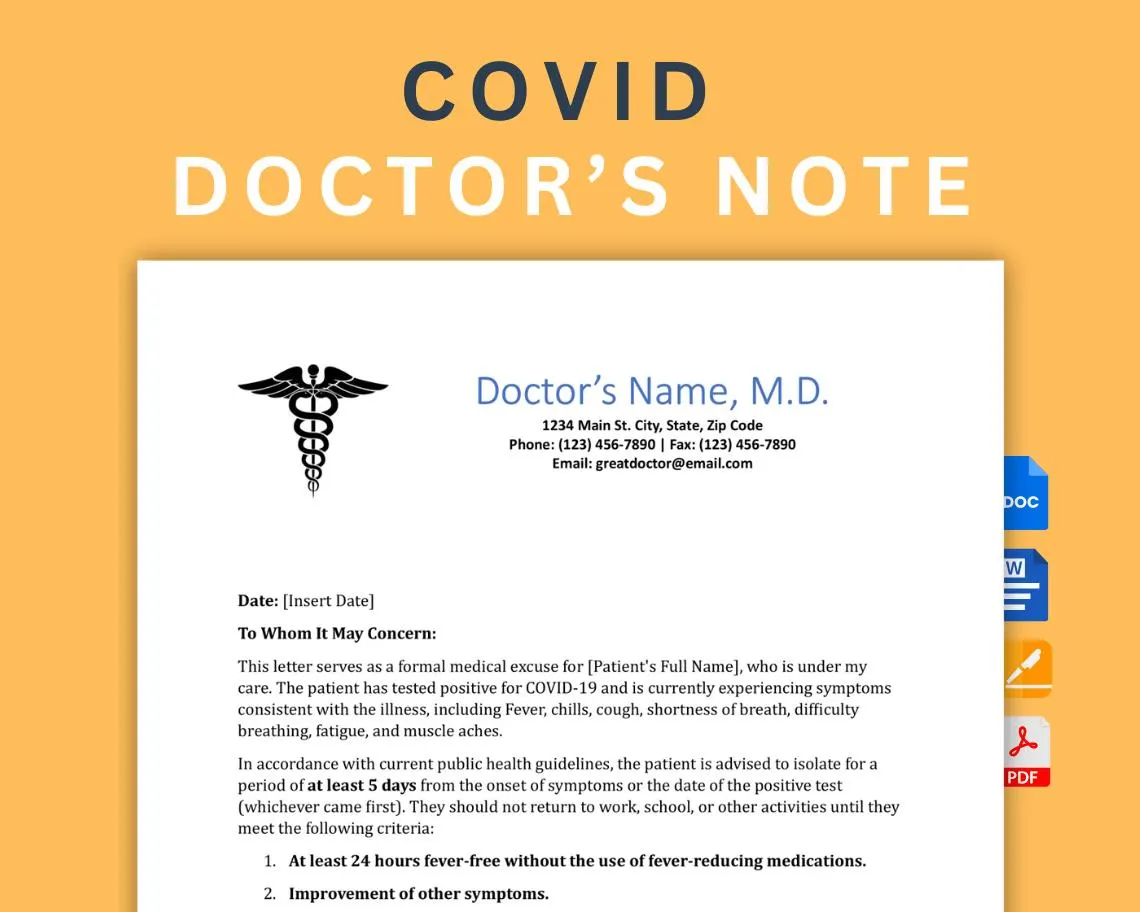
A fake coronavirus doctor note may look like an easy way to excuse an absence, but it carries real risks. Employers, schools, and institutions are far more aware of forged documents than many people assume. They often know what official notes look like, what details should be included, and how suspicious wording or formatting can reveal a fake.
Even if the note is accepted at first, the problem does not necessarily end there. A manager, HR department, or school administrator may verify the information later. If the document is found to be false, the consequences can be severe. A student might face disciplinary action. An employee could lose their job. In professional settings, dishonesty can also hurt future references and reputation.
The biggest issue is trust. Once someone is caught using fake documentation, people may question everything they say afterward. Rebuilding credibility is much harder than simply being honest from the beginning.
The Ethical Problem Behind Fake Medical Notes
Beyond workplace or school rules, there is a basic ethical issue. Medical documents exist for real health situations. They are meant to help people who are genuinely sick, recovering, contagious, or unable to perform normal duties. Faking one misuses that system and undermines the seriousness of real illness.
This is especially true with something like coronavirus. COVID was not just an ordinary excuse people mentioned casually. It affected families, hospitals, workplaces, and entire communities. Pretending to have a doctor-supported coronavirus excuse when it is not true can come across as deeply irresponsible.
There is also the impact on others. If organizations become suspicious because of fake notes, they may become less trusting toward people who actually are sick and need support. That makes life harder for honest employees and students who truly need medical understanding.
Why People Should Choose Honesty Over Forgery
Many people assume honesty will automatically lead to punishment, but that is not always the case. In real life, a direct and respectful explanation often works better than deception. A manager may appreciate transparency. A teacher may allow make-up work. A client may be willing to reschedule. The response may not be perfect, but it is still safer than submitting false medical proof.
People also underestimate how reasonable many policies can be when approached properly. Some workplaces accept self-certification for short illnesses. Some schools allow parent notes, written explanations, or temporary absences without formal documentation. Others may not require a doctor note unless the absence lasts several days.
Asking clearly and honestly usually creates more room for help than people expect.
Better Alternatives to a Fake Coronavirus Doctor Note
If you are sick, overwhelmed, or unable to attend work or class, there are better ways to handle the situation. The first is simple communication. Let the other party know as early as possible that you are unwell or unable to attend. Keep the message short, polite, and professional.
If documentation is required, try to obtain legitimate medical advice or use approved options like telehealth, urgent care, or a real clinic visit. Many healthcare providers can give proper documentation when it is medically appropriate. That protects you and keeps everything above board.
If the issue is not medical but personal, it is still better to explain that you are dealing with a private matter and request a day off, extension, or excused absence. You do not always need to invent a medical reason when a respectful request may be enough.
How Employers and Schools Usually View the Situation
From the perspective of employers and schools, fake documentation is more than a rule violation. It suggests manipulation. Even if the absence itself could have been excused, the false note changes the issue from attendance to dishonesty.
That distinction matters. Someone may receive understanding for being sick or struggling, but much less understanding for forging a document. Institutions are often willing to work with people facing real challenges. What they usually respond strongly to is being misled.
This is why the smarter choice is to handle absences honestly. A difficult conversation today is still better than a much bigger problem tomorrow.
A Smarter and Safer Approach
If you are in a stressful situation, pause before making a bad decision. Instead of searching for a fake coronavirus doctor note, think about what result you actually need. Do you need one extra day? More time for an assignment? A rescheduled shift? An excused absence? In many cases, those outcomes can be requested directly without using false paperwork.
Clear communication, legitimate documentation, and respectful honesty are always safer than forgery. They protect your credibility and reduce the chance of long-term consequences.
Final Thoughts
Searching for a fake coronavirus doctor note usually comes from pressure, panic, or fear of consequences. But using one can create even bigger issues than the original absence. It can damage trust, hurt your reputation, and lead to serious disciplinary problems.
The better path is to be honest, communicate early, and use legitimate options if documentation is needed. In the long run, protecting your integrity is worth far more than any shortcut. A false excuse may seem helpful for a moment, but honesty is what keeps your future secure.