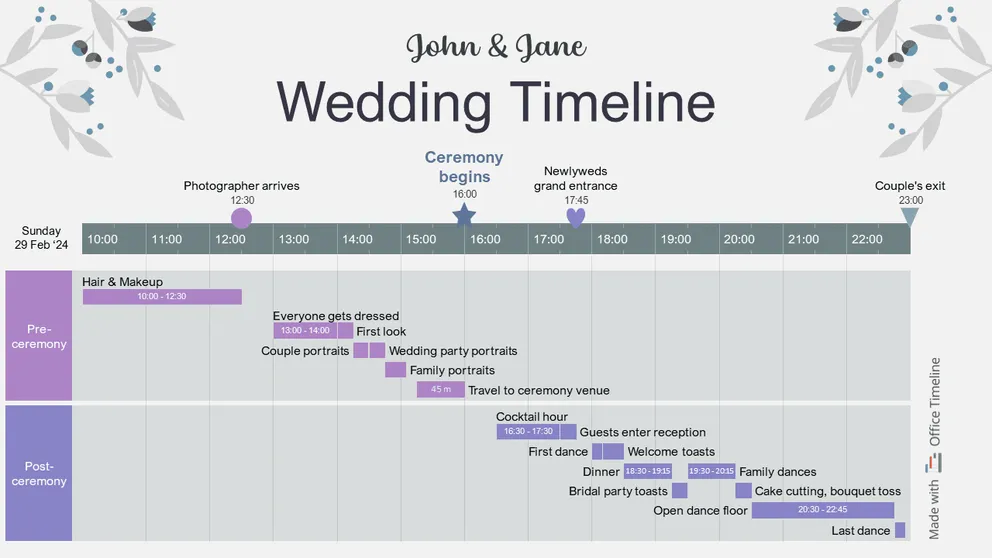
Template for Wedding Itinerary: A Simple Guide to Planning the Perfect Day
A template for wedding itinerary is one of the most useful tools a couple can have while planning their big day. Weddings are full of meaningful moments, but they also involve many moving parts that need to happen at the right time. From hair and makeup in the morning to the final dance at night, a clear itinerary helps everything stay organized. Without one, even a beautifully planned wedding can start to feel stressful, rushed, or confusing for the couple, vendors, and guests.
A wedding itinerary template gives structure to the day and helps everyone understand what is happening and when. It is not meant to make the celebration feel rigid or overly formal. Instead, it creates a smooth flow so the couple can focus on enjoying the experience instead of constantly checking the time or answering questions. Whether the wedding is large and elegant or small and intimate, having a simple itinerary template can make a huge difference.
What Is a Wedding Itinerary Template?
A wedding itinerary template is a ready-made format used to organize the timeline of a wedding day. It lists the major events in order, along with the time, location, and people involved. This might include getting ready, vendor arrivals, transportation, the ceremony, photo sessions, cocktail hour, dinner, speeches, and the reception.
The purpose of the template is to keep the day on track. It acts as a guide for the couple, wedding planner, photographer, makeup artist, DJ, caterer, and bridal party. Everyone involved can refer to the itinerary instead of relying on guesswork. This helps reduce delays and keeps the event feeling coordinated and professional.
Some couples prefer a detailed wedding itinerary with every small step listed, while others use a simpler version that focuses only on the main moments. Both can work well as long as the timeline is realistic and easy to follow.
Why a Wedding Itinerary Is Important
A wedding day usually goes by very quickly. Months of planning come together in just a few hours, and because so much is happening, timing matters a lot. If one part of the day falls behind, it can affect everything else. For example, if hair and makeup run late, the photography schedule may be delayed. If transportation arrives late, the ceremony may not start on time. If dinner service takes longer than expected, speeches and dancing may be pushed back.
A wedding itinerary template helps avoid these problems by giving the day structure. It creates a plan that vendors can follow and allows the couple to relax more. When everyone knows the schedule, there is less confusion and fewer interruptions.
It also helps with communication. Instead of repeating the same information to each person, the couple can simply share the itinerary in advance. This saves time and makes the day feel much more organized.
What to Include in a Template for Wedding Itinerary
A good template for wedding itinerary should include the full flow of the wedding day from beginning to end. It usually starts with early morning preparations such as breakfast, hair, makeup, outfit steaming, and vendor setup. These details are important because they set the tone for the day.
The next section often includes getting-ready photos, bridal party preparation, the first look if planned, and travel to the ceremony venue. Then comes the ceremony timing, including guest arrival, seating, music cues, and the official start time.
After the ceremony, the itinerary should include family photos, couple portraits, cocktail hour, reception entrance, meal service, speeches, cake cutting, first dance, open dance floor, and the closing of the event. If there is a planned send-off, such as sparklers or a getaway car exit, that should also be included.
The best templates are clear and practical. They should show times, locations, and short notes without becoming too crowded or difficult to read.
How to Build a Wedding Itinerary Template
Creating a wedding itinerary template becomes much easier when you begin with the biggest parts of the day. Start by writing down the ceremony time, reception start time, and venue closing time. These are the anchor points of the day. Once they are fixed, you can build the rest of the schedule around them.
For example, if the ceremony starts at 4:00 PM, then you can work backward to decide when hair and makeup should begin, when photos should happen, and when transportation needs to arrive. If dinner starts at 6:30 PM, then you can place cocktail hour, reception entry, and guest seating before it.
It is also important to add extra buffer time between major events. Weddings rarely move with perfect timing, so leaving small gaps between activities helps absorb delays. Even an extra ten or fifteen minutes can prevent the whole schedule from feeling rushed.
Tips for Using Your Wedding Itinerary Successfully
Once your itinerary is complete, it should be shared with the people who need it most. This usually includes the wedding planner, venue coordinator, photographer, videographer, caterer, DJ, officiant, bridal party, and close family members. Everyone does not need the same level of detail, but key people should know the timeline clearly.
It is also helpful to keep the itinerary realistic. Trying to fit too many events into one day can make the wedding feel rushed. A good timeline should support the celebration, not pressure it. Focus on the moments that matter most and allow enough time to enjoy them.
Another good idea is to create both a full version and a simplified version. Vendors may need detailed timing, while guests may only need to know when the ceremony and reception begin.
Final Thoughts
A template for wedding itinerary is one of the smartest planning tools for creating a smooth and memorable wedding day. It helps organize every important moment, keeps vendors aligned, and allows the couple to enjoy the celebration with less stress. From morning preparations to the final farewell, a clear itinerary makes the day feel more polished and manageable.
The best part is that a wedding itinerary template can be customized to fit any kind of wedding. Whether the event is formal, casual, traditional, or modern, the right timeline helps everything flow better. When the day finally arrives, having a thoughtful itinerary in place can make it much easier to stay present, enjoy each moment, and create memories that last a lifetime.