Interview Itinerary Template: A Simple Way to Organize the Hiring Process
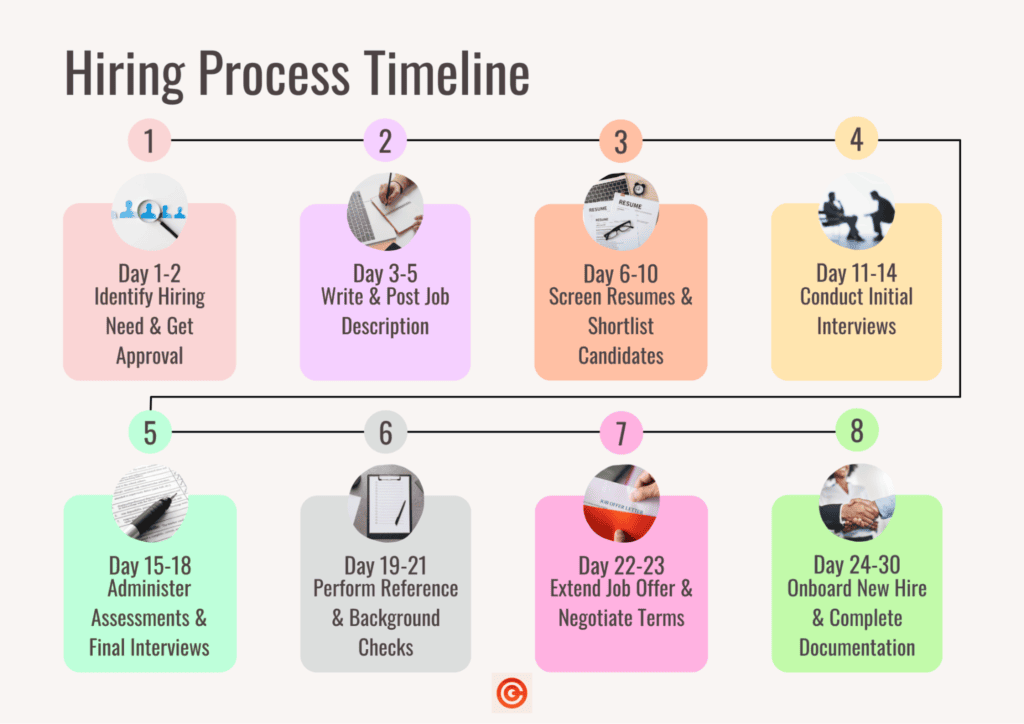
An interview itinerary template is a practical document used to organize the schedule, flow, and details of an interview day. Whether the interview is for a single candidate, a group of applicants, or a full-day hiring process with multiple rounds, having a clear itinerary helps everything run more smoothly. It allows the candidate, interviewers, and hiring team to know exactly what to expect, which reduces confusion and creates a more professional experience from start to finish.
In today’s hiring environment, first impressions matter more than ever. Candidates often judge a company not just by the interview questions, but by how well the entire process is managed. A clear interview itinerary can make an organization appear more prepared, respectful, and professional. It also helps internal teams stay aligned, especially when multiple managers or departments are involved in the interview schedule.
What Is an Interview Itinerary Template?
An interview itinerary template is a structured schedule that outlines the details of an upcoming interview. It usually includes the date, time, interview format, names of interviewers, meeting location or video link, and the order of interview sessions. In many cases, it also includes extra information such as breaks, lunch meetings, office tours, skill assessments, or final discussions with leadership.
The purpose of the template is to provide clarity. Instead of sending scattered messages with separate times and details, the hiring team can present everything in one organized document. This makes the interview process easier for both the company and the candidate. A well-made itinerary can also reduce scheduling mistakes and help interviewers prepare for their specific role in the process.
In simple terms, the interview itinerary acts like a roadmap for the day. It tells everyone where they need to be, when they need to be there, and what part of the process comes next.
Why an Interview Itinerary Template Is Important
An interview can feel stressful for candidates, especially if they are meeting several people in one day. When the process is unclear, that stress can increase. A detailed itinerary helps create a more comfortable experience by showing the candidate what to expect in advance. This can help them feel more prepared and focused.
For employers, the itinerary improves organization. Hiring managers, HR teams, and department leads all benefit from a clear schedule. If several interviewers are involved, the template helps avoid overlap, delays, or missed meetings. It also ensures that the candidate moves through the process efficiently without long periods of waiting.
Another important benefit is professionalism. A company that sends a clean and organized interview itinerary often leaves a stronger impression than one that handles scheduling casually. It shows attention to detail, respect for the candidate’s time, and a thoughtful hiring process.
What to Include in an Interview Itinerary Template
A strong interview itinerary template should include all the essential information needed for a smooth interview day. It normally starts with the candidate’s name, job title, interview date, and the main contact person. If the interview is in person, the itinerary should include the office address, parking instructions, reception details, and arrival time. If it is virtual, it should include meeting links, platform details, and any login instructions.
The schedule section is the most important part. This should list each session in order, along with the time, interviewer name, role, and meeting type. For example, the candidate may have a first-round conversation with HR, followed by a technical interview, then a team meeting, and finally a hiring manager discussion. Each part should be listed clearly so the flow is easy to follow.
The template may also include breaks, lunch sessions, presentation times, assessment tests, or office tours. In some cases, it can also mention what the candidate should bring, such as identification, a portfolio, extra copies of a resume, or work samples.
How an Interview Itinerary Improves the Candidate Experience
The candidate experience plays a big role in recruitment success. Even highly qualified candidates may lose interest in a company if the interview process feels messy or disorganized. An interview itinerary template helps avoid that problem by making the day feel planned and respectful.
When candidates know who they will meet and what the day will look like, they are often more confident and more engaged. They can prepare better for each stage of the process and are less likely to feel overwhelmed. This can lead to stronger interviews and more accurate hiring decisions.
A good itinerary also helps reduce unnecessary stress. Instead of constantly wondering what happens next, the candidate can focus on answering questions, understanding the company, and presenting their qualifications. This creates a better experience for both sides.
Tips for Creating a Good Interview Itinerary Template
A useful interview itinerary template should be simple, clear, and easy to scan quickly. Avoid making it overly complicated. The goal is to make the information accessible, not crowded. Use a clean layout with clear time blocks and names so both candidates and interviewers can understand it at a glance.
It is also important to build in some buffer time between sessions. Interviews do not always run exactly on schedule. Adding a few extra minutes between meetings can help prevent small delays from affecting the entire day. This is especially important for in-person interviews, where room changes or office tours may take extra time.
Another smart approach is to personalize the itinerary based on the role. A senior leadership interview may require multiple executive meetings, while an entry-level role may only need two or three sessions. The template should match the hiring process instead of using the same format for every position.
Common Uses for an Interview Itinerary Template
An interview itinerary template can be used in many different hiring situations. It is helpful for one-on-one interviews, panel interviews, campus recruitment, job fairs, final-round executive interviews, and even remote hiring processes. It is especially useful for companies that are interviewing multiple candidates in a short time or using a structured multi-step hiring system.
It is also valuable for internal hiring. If an employee is interviewing for a promotion or transfer, a formal itinerary can still make the process smoother and more transparent. In all these cases, the template supports better planning and communication.
Final Thoughts
An interview itinerary template is a simple but powerful tool that brings structure to the hiring process. It helps candidates know what to expect, supports better coordination among interviewers, and creates a more professional image for the company. From interview times and names to locations and meeting links, the template keeps everything in one clear place.
Whether the interview is in person or online, short or full-day, using a well-organized itinerary can improve the experience for everyone involved. It reduces confusion, supports better planning, and helps the process feel more polished from start to finish. In a competitive hiring environment, even small details like an interview itinerary can make a lasting difference.