AI Porn Free? Why “Free AI Porn” Searches Come With Serious Risks
The Real Problem Behind “Free”
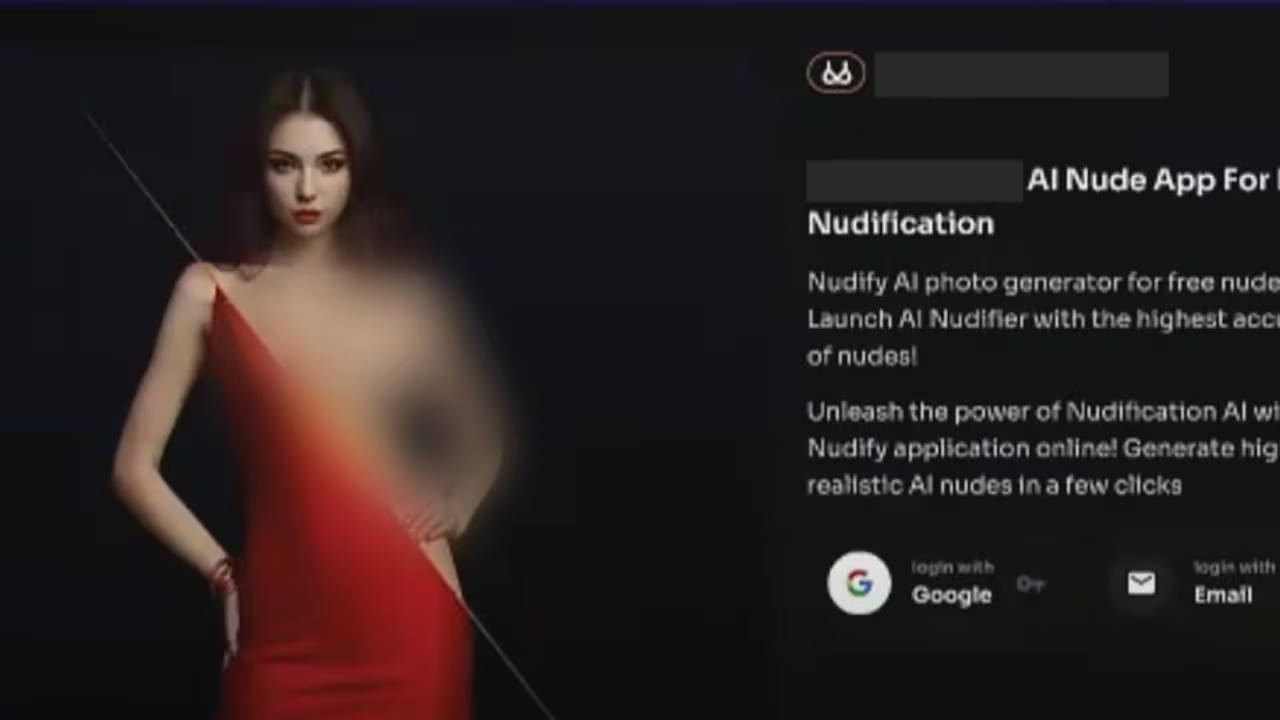
Searches for “AI porn free” are rising because people assume no-cost tools offer a private, low-risk way to experiment with synthetic media. The problem is that “free” often hides the real cost. Many sites in this space operate with weak transparency, vague moderation, unclear data practices, and high exposure to scams, abuse, or nonconsensual content. That makes this topic less about entertainment and more about digital safety, consent, and legal risk. The National Institute of Standards and Technology warns that generative AI can make it easier to produce or access illegal non-consensual intimate imagery and other obscene synthetic content, with privacy, psychological, emotional, and even physical harms for victims. (NIST AI RMF Profile)
Consent and Deepfake Harm
One major issue is consent. A lot of “free AI porn” traffic is tied to deepfake-style content, where real people’s faces or likenesses are used without permission. That is not just unethical; laws are getting stricter. The UK government said in February 2026 that creating or requesting deepfake intimate images of adults without consent would become illegal, and it has described harmful deepfakes as tools criminals use to exploit women and girls and deceive the public. In the EU, transparency rules under the AI Act are specifically aimed at reducing deception, impersonation, and misuse connected to AI-generated content and deepfakes. (UK deepfake announcement, EU AI transparency guidance)
Privacy Risks Are Easy to Miss
Another problem is privacy. Free platforms often make money in ways users do not fully understand, whether through aggressive ads, data collection, account profiling, or retaining uploaded files. If someone uploads a selfie, a partner’s image, or private media into an untrustworthy generator, they may lose control over where that content goes next. NIST’s work on synthetic content risk reduction highlights provenance and traceability as important safeguards, but it also notes that many technical protections are still immature and not yet widely deployed. In plain English, the system for reliably tracing, labeling, or proving where AI-generated content came from is still developing, which means users should be cautious before sharing any personal media at all. (NIST synthetic content report)
Scams, Blackmail, and Malware
Scams are another overlooked danger. Markets built around secrecy, urgency, and curiosity are attractive to fraudsters. The U.S. Federal Trade Commission has warned repeatedly about impersonation scams and provides guidance for victims of nonconsensual distribution of intimate images. That matters because websites promising “free” explicit AI content can be used to lure people into fake signups, malware downloads, payment traps, blackmail, or the collection of personal data that later gets misused. If a platform asks for unnecessary permissions, requests private images, or pushes users off-site to “unlock” content, that is a clear warning sign. (FTC on imposter scams, FTC on intimate image abuse)
Why Regulation Matters More Now
There is also a reputational and business angle here. Search engines, app stores, and payment providers are under growing pressure to respond to abusive synthetic content. The European Commission is developing a code of practice on marking and labelling AI-generated content to support compliance with the AI Act, and national governments are moving faster on deepfake harms. That means operators in this space face rising legal and platform risk, while ordinary users face the possibility that a site disappears, changes rules overnight, or exposes them to content that crosses ethical or legal lines. “Free” rarely means stable or trustworthy in a market under this much scrutiny. (European Commission code of practice)
Final Thoughts
The bottom line is simple: “AI porn free” sounds like a shortcut, but the real risks can be privacy loss, scams, consent violations, and legal trouble. The technology behind synthetic media is advancing quickly, but the safeguards are still catching up. That combination makes low-cost synthetic adult-content sites especially risky for users who assume anonymity, control, and curiosity automatically come with easy access. For anyone searching this topic, the smartest move is not to chase free access. It is to protect your data, respect consent, and understand that what looks anonymous online can still carry real-world consequences. For broader context, reputable starting points include NIST, the FTC, and the European Commission’s AI pages.