Consulting Resume: How to Build a Resume That Gets Interviews
A consulting resume is not just a summary of your education and jobs. It is a marketing document designed to show that you can solve problems, lead people, and create measurable results. That is exactly why consulting firms pay so much attention to how a resume is written. Strong firms like McKinsey, Bain, and BCG consistently emphasize impact, leadership, academics, and evidence of problem-solving in the application process.
The biggest mistake many applicants make is treating a consulting resume like a general corporate resume. In consulting, generic wording rarely works. Recruiters want to see what you achieved, how much responsibility you had, and what changed because of your work. McKinsey specifically advises candidates to quantify the results they created, describe leadership roles clearly, and include examples of entrepreneurship or initiatives they helped build.
What Makes a Consulting Resume Different
A consulting resume stands out because it is focused on evidence, not description. Instead of saying you were “responsible for project management,” a stronger consulting version would explain what project you managed, what actions you took, and what result followed. Harvard’s career guidance describes a strong resume as a brief, informative document that highlights your strongest qualifications, which fits consulting especially well because screeners often review resumes very quickly.
Consulting firms also look beyond job titles. They want signals of leadership, intellectual horsepower, teamwork, and drive. That means your internship at a startup, your role in a student organization, your research work, or even a side project can matter if it shows ownership and results. McKinsey explicitly notes that leadership positions and entrepreneurship examples are worth highlighting, even when they are outside formal employment.
The Best Structure for a Consulting Resume
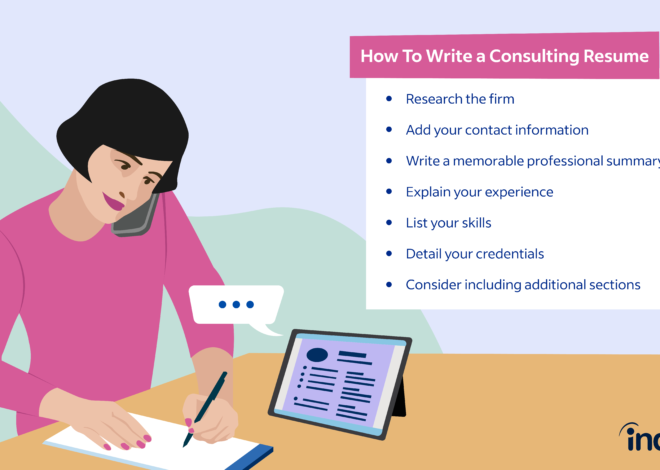
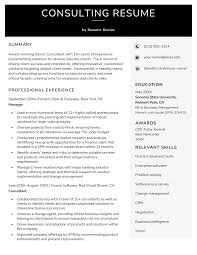
The most effective consulting resume is clean, easy to scan, and highly organized. Your contact details should be simple and professional. After that, most candidates use sections such as Education, Experience, Leadership, and Skills or Additional Information. McKinsey’s application guidance says a CV should include education and grades, work experience, and extracurricular activities and achievements, which gives a good picture of the areas consulting recruiters expect to see. Bain’s consultant application guidance also asks candidates for a resume or CV along with educational background and work experience.
Your education section matters a lot in consulting, especially for students and early-career applicants. School name, degree, graduation date, GPA if strong, academic honors, scholarships, or notable coursework can all strengthen your profile. If you are more experienced, your work achievements may carry more weight, but education still remains an important part of the story in consulting recruiting.
How to Write Strong Bullet Points
The heart of a consulting resume is the bullet point section under each experience entry. This is where you prove you can think clearly and deliver results. The strongest bullets usually show action, ownership, and measurable impact. McKinsey’s resume advice is especially useful here because it directly tells applicants to quantify results and explain how their roles grew over time.
For example, a weak bullet might say that you “helped improve sales operations.” A stronger consulting-style bullet would say that you “analyzed sales workflows across three regions and recommended process changes that reduced reporting time by 25%.” The second version tells a much clearer story. It shows analysis, action, scope, and result. That is the kind of writing style that makes consulting recruiters pay attention.
Leadership and Extracurriculars Matter More Than People Think
Many applicants underestimate how important leadership and extracurricular achievements are in consulting. Firms are not only hiring for technical skill. They are also hiring for potential, influence, and problem-solving in ambiguous environments. BCG’s interview process highlights qualities such as problem-solving, curiosity, and collaboration style, which means your resume should provide proof of those traits before you ever reach the interview stage.
That is why leadership in student societies, nonprofit work, sports teams, volunteer projects, and entrepreneurial efforts can be highly valuable. If you led a committee, launched an initiative, organized an event, or improved a process, those examples can strengthen your consulting resume. McKinsey’s guidance makes this especially clear by encouraging candidates to include leadership and entrepreneurship examples, even outside formal work.
Common Consulting Resume Mistakes
One common mistake is writing vague bullet points with no numbers or outcomes. Another is overcrowding the page with too much text. A consulting resume should feel sharp and readable, not dense and exhausting. Harvard’s resume guidance emphasizes clarity and highlighting your strongest qualifications, which means every line should earn its place.
Another mistake is failing to tailor the resume for consulting. If your document reads like it was written for five different industries at once, it loses power. Consulting recruiters want to see structured thinking, leadership, achievement, and evidence of excellence. Your resume should make those themes obvious within seconds.
Final Thoughts
A great consulting resume is focused, measurable, and easy to scan. It shows more than where you worked or studied. It shows how you think, what you achieved, and why you have the potential to succeed in a demanding client-facing environment. If you want your resume to perform well, focus on quantified impact, leadership, academic strength, and clear writing. Those are the signals top consulting firms repeatedly look for.
For inspiration, it helps to review career resources from firms and universities that know this process well, such as McKinsey Careers, Bain Careers, BCG Careers, and Harvard career guides. Those sources consistently point in the same direction: make your resume concise, achievement-driven, and backed by real results.