Mobile Massage: Convenient Wellness Delivered to Your Door
Introduction
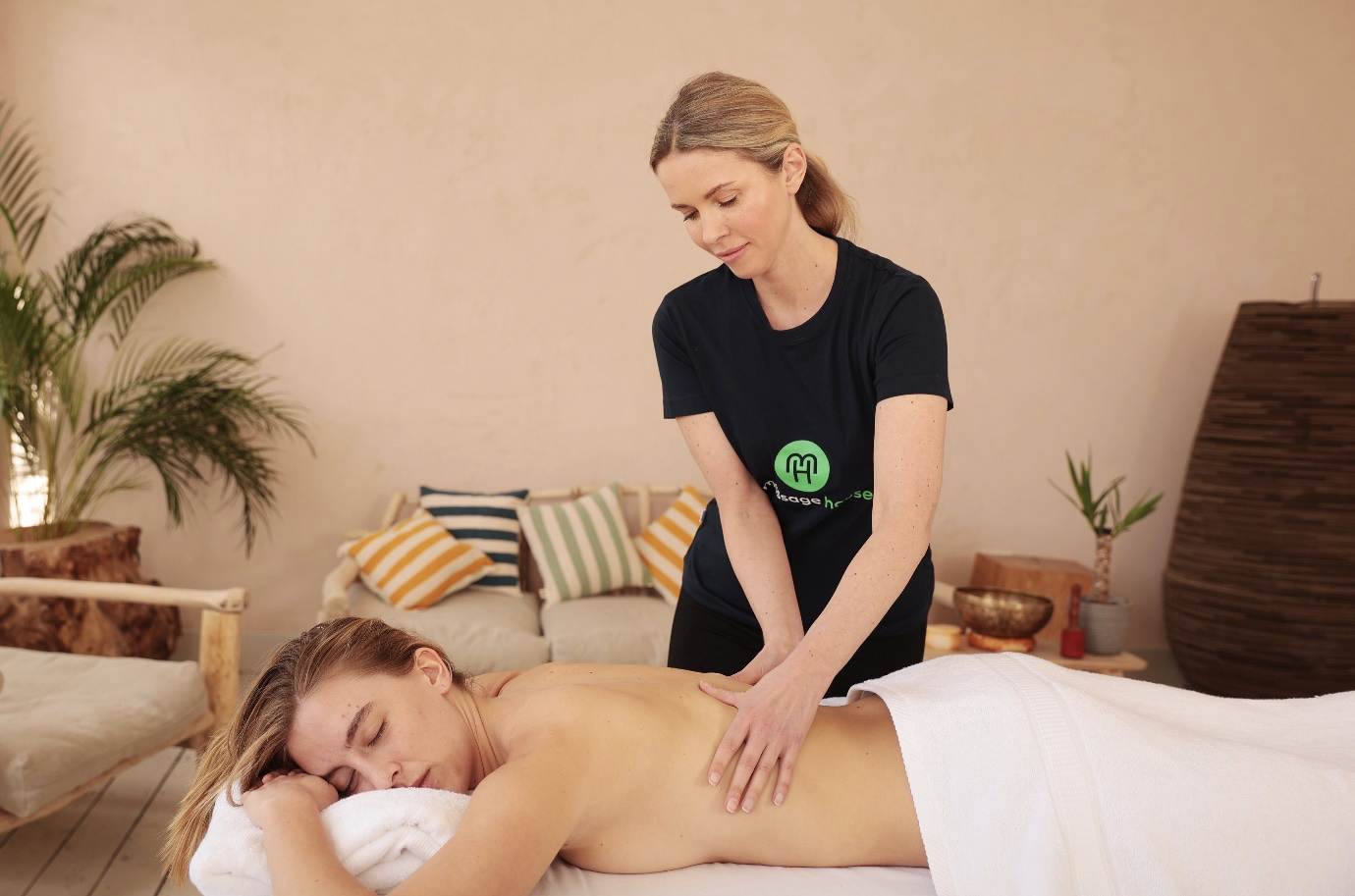
Mobile massage is a growing service model for people who want professional massage therapy without traveling to a spa or clinic. Instead of going to a fixed location, the therapist comes to your home, hotel, or office with portable equipment and provides the session on-site. For busy professionals, parents, travelers, and wellness-focused clients, that convenience is a big part of the appeal. Massage itself may help reduce stress, lessen pain and muscle tightness, and increase relaxation, according to Mayo Clinic.
What Is Mobile Massage?
In simple terms, mobile massage means outcall massage service. The therapist travels to the client, rather than the client traveling to the therapist. This model is often used for in-home sessions, hotel bookings, workplace chair massage, and wellness events. It is especially attractive for people who want more flexibility, privacy, and time savings in their wellness routine. This description reflects the common industry use of “mobile” and “outcall” massage services.
Why Mobile Massage Is Popular
The biggest advantage of mobile massage is convenience. Clients do not have to drive, wait in a lobby, or plan extra travel time around the appointment. That can make regular massage more realistic for people with packed schedules. Massage may also support relaxation and stress reduction, which is one reason many clients treat it as part of a broader self-care routine rather than an occasional luxury.
Another reason mobile massage appeals to U.S. and top-tier-country audiences is privacy. Some people feel more comfortable receiving a session in their own space, especially when they want a calmer experience before and after the appointment. For hotels and workplaces, mobile massage also adds flexibility because the service can be delivered where people already are. This convenience-based appeal is an inference drawn from the outcall service model and the broader wellness benefits commonly associated with massage.
How to Choose a Mobile Massage Therapist
Licensing and verification matter. The Federation of State Massage Therapy Boards says that in the majority of U.S. states, massage practitioners must be licensed, and that regulations vary by state or territory. FSMTB also provides a public Look Up a License tool so consumers can verify a therapist’s status before booking.
Consumers should also look for professionalism beyond licensing. ABMP’s state requirements page notes that massage therapists must practice within the scope of state licensure laws, and FSMTB’s consumer resources emphasize public safety and consumer education. In practical terms, that means checking the therapist’s credentials, reading reviews carefully, confirming the type of massage offered, and asking clear questions about setup, draping, cancellation policies, and travel fees before the session.
Is Mobile Massage Safe?
Mobile massage can be safe when you book a properly trained and licensed professional and communicate openly about your health history. Mayo Clinic says massage therapy is usually safe for most people when performed by a trained massage therapist and when relevant medical conditions are discussed in advance.
That said, clients should use common-sense safety steps. Verify the therapist’s license where applicable, book through a reputable business or established practitioner, and make sure the appointment details are documented in writing. If you have a medical condition, recent injury, pregnancy, or pain that may require special handling, it is smart to check whether the therapist has appropriate training and whether your healthcare provider recommends massage for your situation.
Who Should Consider Mobile Massage?
Mobile massage is a strong option for people who value comfort and convenience. It can work well for remote workers, parents, travelers, older adults, and executives who want wellness services without wasting time commuting. It is also useful for corporate events and team wellness days, where on-site chair massage can be provided in the workplace. This use-case framing is based on the mobile and onsite service formats commonly offered in the massage industry.
Final Thoughts
If you want wellness that fits more easily into modern life, mobile massage is a smart keyword and a strong service concept. It combines the potential benefits of massage with the convenience of at-home or on-site delivery. The key is choosing a qualified therapist, verifying credentials, and making sure the service matches your needs. For many clients, mobile massage offers a more practical way to make massage therapy part of a regular lifestyle.