Mobility Services Engine: What Cisco MSE Is and Why It Still Matters
Introduction
For SEO purposes, the keyword “mobility services engine” most strongly maps to Cisco Mobility Services Engine (MSE), a legacy Cisco platform used in wireless networks for location-based services, analytics, and security-related functions. Cisco’s support pages still maintain dedicated documentation for the product line, which is a strong signal that this is the primary search intent behind the term.
What Is a Mobility Services Engine?
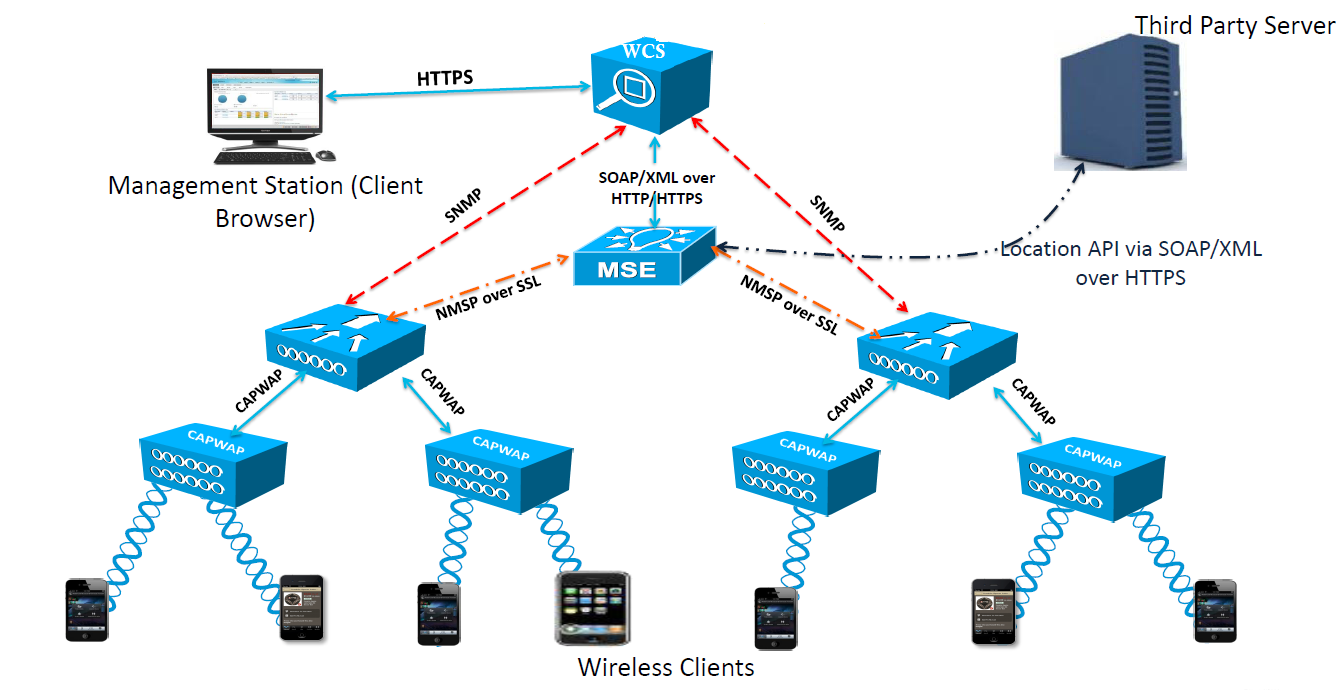
Cisco describes the Mobility Services Engine as part of its broader Cisco Unified Wireless Network environment. In Cisco’s documentation, MSE is presented as a platform that supports services such as Location Service / Context Aware Service (CAS), Wireless Intrusion Protection Service (wIPS), Mobile Concierge, and CMX Analytics Service. In practice, that means it was built to help organizations track Wi-Fi devices and assets, improve visibility, and support location-aware experiences across large wireless environments.
This made MSE especially useful in environments such as airports, shopping centers, campuses, hospitals, and enterprise buildings, where IT teams wanted more than basic wireless connectivity. Cisco’s documentation explains that wireless device data gathered by access points and controllers could be sent to MSE, where it was used for tracking, contextual insights, and movement analysis.
Key Features of Cisco MSE
Location and Context-Aware Services
Cisco identifies Location Service, also called Context Aware Service, as the core MSE function. It enabled Wi-Fi client tracking and location API functionality, allowing organizations to track thousands of clients and assets while retrieving contextual data such as location, presence, telemetry, and historical information.
Wireless Security Support
MSE also supported wireless intrusion protection, which Cisco says was designed to detect and help mitigate malicious attacks, security vulnerabilities, and performance disruptions in wireless environments. That gave enterprises another layer of visibility beyond traditional WLAN monitoring.
Analytics and Guest Engagement
Cisco also listed Mobile Concierge and CMX Analytics as supported MSE services. These features were aimed at organizations that wanted to analyze visitor movement, understand traffic patterns, and create location-based digital experiences. Cisco specifically notes that analytics could help building operators understand how people move through spaces and use that insight to improve layouts or underused areas.
Is Cisco Mobility Services Engine Still Relevant?
Yes, but mainly as a legacy enterprise keyword. Cisco’s current support page states that the product is no longer sold, with a listed end-of-sale date of November 29, 2023 and end-of-support date of November 30, 2028. That means the keyword still matters for IT teams maintaining older Cisco wireless environments, reviewing migration plans, or searching for documentation and compatibility information.
Cisco’s current support page also shows the remaining supported model connection to Cisco CMX 3375 Appliance for Cisco Mobile Experiences, which reinforces that modern search intent around MSE often overlaps with Cisco CMX and legacy wireless location services.
Why This Keyword Has SEO Value
The term “mobility services engine” has clear B2B and technical search intent. People searching for it are likely looking for Cisco product information, deployment guides, licensing details, compatibility references, or lifecycle status rather than general consumer content. That makes this keyword more suitable for enterprise IT blogs, networking support content, migration guides, or Cisco-focused service pages than for broad mobility-industry articles. This is an inference based on Cisco’s support structure and the search results dominated by Cisco product pages and documentation.
Final Thoughts
If you are creating content around mobility services engine, the strongest SEO angle is to treat it as Cisco Mobility Services Engine (MSE). It was built to support location intelligence, wireless security, and analytics inside Cisco wireless environments, and while it is now a legacy product, it remains relevant for organizations that still operate, support, or migrate older Cisco deployments. For technical audiences in the U.S. and other advanced enterprise markets, that makes it a specialized but still worthwhile keyword.