Move In Move Out Inspection Checklist: A Practical Guide for Landlords and Tenants
A move in move out inspection checklist is one of the most important documents in any rental process. It helps landlords and tenants record the condition of a property before a tenant moves in and again after the tenant moves out. This simple step can prevent a lot of misunderstandings, especially when it comes to repairs, damage claims, and security deposit deductions. Instead of relying on memory or verbal conversations, both sides have a written record of the property’s condition.
Many rental disputes happen because there is no clear proof of what the property looked like at the beginning or end of the lease. A move in move out inspection checklist solves that problem by creating a detailed reference point. It helps both parties stay organized, makes the inspection process more professional, and gives everyone a better understanding of their responsibilities. Whether you are a first-time renter or an experienced landlord, using this kind of checklist is a smart move.
What Is a Move In Move Out Inspection Checklist?
A move in move out inspection checklist is a document used to inspect a rental unit room by room and item by item. It is completed when the tenant first takes possession of the property and again when the tenant leaves. The purpose is to compare the condition of the home at both stages so any changes can be clearly identified.
This checklist usually includes walls, floors, ceilings, doors, windows, appliances, plumbing fixtures, electrical outlets, lighting, and other built-in features. It may also include notes about cleanliness, working condition, and any visible damage. In many cases, photos are taken along with the checklist to create an even stronger record. Together, these details help create a fair and transparent rental experience.
Why This Checklist Matters
A move in move out inspection checklist matters because it protects both the landlord and the tenant. For landlords, it helps show the original condition of the property and supports claims if damage occurs beyond normal wear and tear. For tenants, it provides proof of any issues that already existed before they moved in, which can be very important when it is time to get the security deposit back.
It also makes communication easier. Instead of arguing over whether a scratch, stain, or broken fixture was already there, both sides can review the checklist and compare the notes. That level of clarity can save time, reduce stress, and prevent disputes from getting worse. In short, this checklist is not just paperwork. It is a valuable record that can protect everyone involved.
What Should Be Included in the Inspection Checklist?
A good inspection checklist should be detailed enough to cover the full property but still simple enough to use easily. It should begin with basic information such as the tenant’s name, the landlord or property manager’s name, the property address, and the date of the inspection. It is also helpful to note whether the checklist is for move-in or move-out.
After that, the checklist should break the property into sections. Common areas include the entryway, living room, kitchen, bedrooms, bathrooms, hallways, laundry area, and exterior if applicable. Each section should include the main surfaces and fixtures in that space. For example, the kitchen may include cabinets, countertops, sink, faucet, stove, refrigerator, dishwasher, and flooring. The checklist should also have space for comments so specific damage or concerns can be written down clearly.
Common Areas to Inspect
Every room in the property should be reviewed carefully during both inspections. In the living room and bedrooms, it is important to check walls for nail holes, marks, cracks, or peeling paint. Floors should be checked for stains, scratches, chipped tiles, or worn carpet. Windows should open and close properly, and locks should work as expected.
In the kitchen, appliances should be tested instead of just looked at. The stove, oven, refrigerator, microwave, and dishwasher should all be checked for proper function and cleanliness. In the bathroom, inspect the toilet, sink, shower, tub, mirror, exhaust fan, and plumbing. Electrical outlets, light switches, smoke detectors, and ceiling fixtures should also be tested throughout the property. Small details may seem unimportant in the moment, but they often matter a lot later.
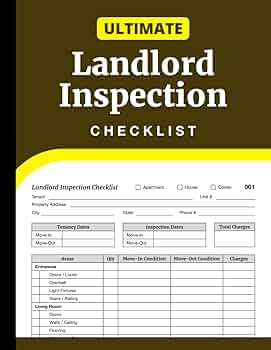
Sample Move In Move Out Inspection Checklist
A simple inspection checklist can be structured like this:
Property Information
Tenant Name: ____________________
Property Address: ____________________
Inspection Date: ____________________
Inspection Type: Move-In / Move-Out
Living Room
Walls: ____________________
Flooring: ____________________
Windows: ____________________
Doors: ____________________
Lights/Outlets: ____________________
Kitchen
Cabinets: ____________________
Countertops: ____________________
Sink/Faucet: ____________________
Appliances: ____________________
Flooring: ____________________
Bathroom
Toilet: ____________________
Sink: ____________________
Shower/Tub: ____________________
Mirror: ____________________
Ventilation: ____________________
Bedroom
Walls: ____________________
Closet: ____________________
Windows: ____________________
Flooring: ____________________
Lights/Outlets: ____________________
Additional Notes
Signatures
Tenant: ____________________
Landlord/Manager: ____________________
This basic format can be printed or turned into a digital document for easier storage and sharing.
Best Practices for Using the Checklist
To get the most value from a move in move out inspection checklist, it should be completed carefully and honestly. The best move-in inspection is done before the tenant brings in furniture or boxes. That way, the full condition of the property can be seen clearly. The move-out inspection should happen after the tenant has removed belongings and finished cleaning so the unit can be reviewed properly.
It is also a good idea for both parties to be present during the walkthrough whenever possible. This allows questions to be answered in real time and reduces the chance of later disagreement. Taking dated photos and attaching them to the checklist can make the record even stronger. The more complete the documentation is, the more useful it becomes.
Final Thoughts
A move in move out inspection checklist is a simple tool, but it plays a major role in creating a fair rental process. It helps document the condition of a property, reduces misunderstandings, and gives both landlords and tenants a reliable record to refer to later. When used properly, it can make move-in and move-out much smoother and less stressful.
For landlords, it protects the property and supports accurate deposit decisions. For tenants, it helps protect their rights and provides proof of the home’s original condition. In the end, a clear inspection checklist helps everyone stay on the same page, and that makes it one of the smartest documents to use in any rental agreement.