Rental Ledger Template: A Simple Way to Track Rent Payments
A rental ledger template is one of the most useful tools for landlords, property managers, and even tenants who want a clear record of rent activity. It helps track charges, payments, balances, and important dates in one organized place. Whether you manage a single rental unit or several properties, using a rental ledger can make your recordkeeping much easier and more professional.
Many landlords start out by keeping notes in a notebook or checking payment history through text messages and bank transfers. That may work for a while, but it often becomes confusing over time. A rental ledger gives you a complete picture of what was charged, what was paid, and whether there is still an outstanding balance. It creates a reliable record that can be useful for budgeting, tax preparation, and resolving payment disputes.
What Is a Rental Ledger Template?
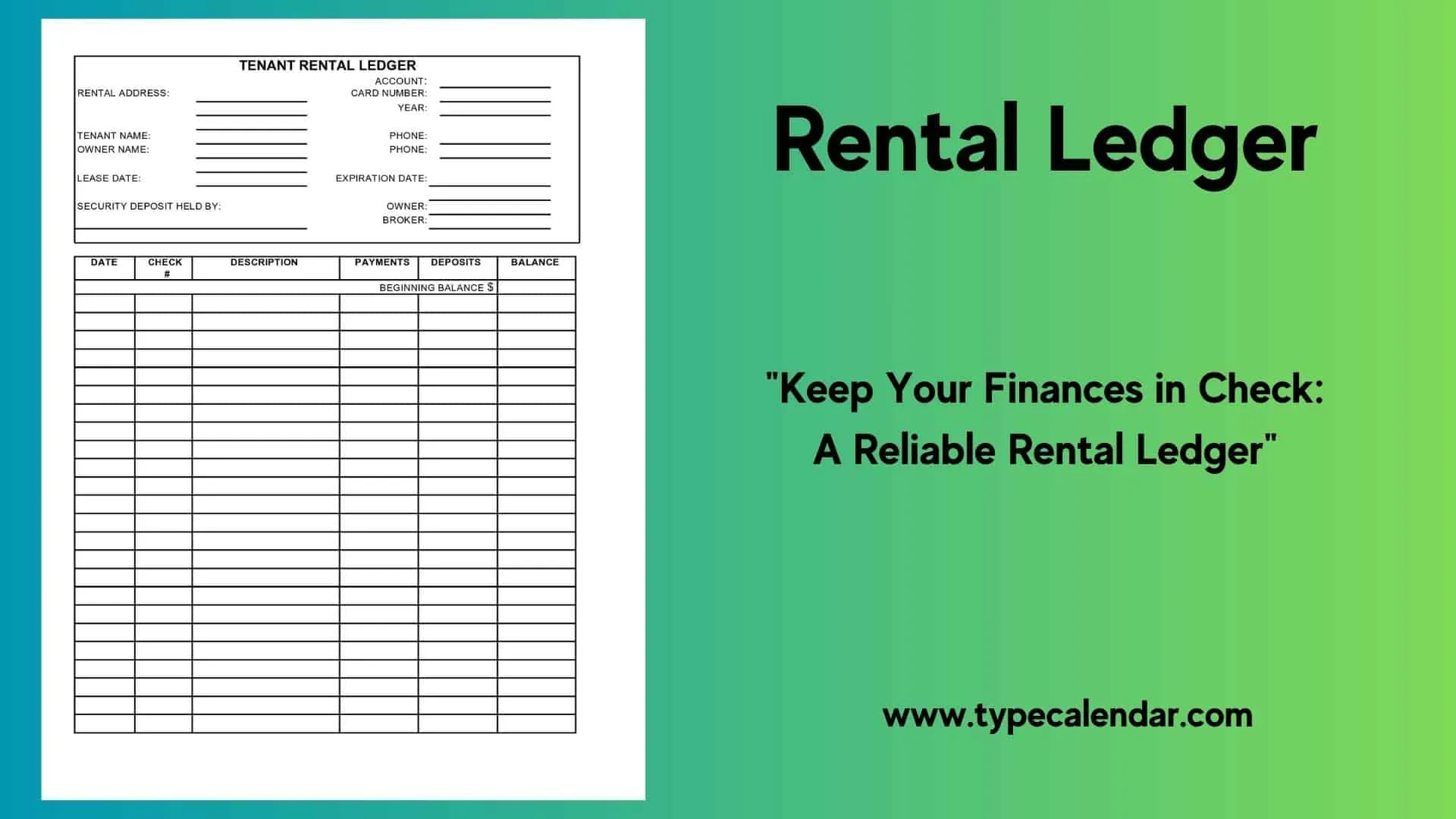
A rental ledger template is a pre-formatted document used to record all financial activity related to a rental property. It usually includes the tenant’s name, property address, monthly rent amount, payment dates, payment amounts, late fees, and remaining balance. Instead of creating a new record from scratch every month, you can simply use the template to update the latest payment information.
This type of document works like a financial timeline for the rental agreement. It shows every rent charge and every payment in order, which makes it easier to understand the tenant’s payment history. If a tenant misses a payment or pays only part of the rent, the ledger will show that clearly. That is why it is such an important tool for accurate rental records.
Why a Rental Ledger Is Important
A rental ledger matters because it keeps payment information clear and organized. For landlords, it helps track who paid on time, who still owes money, and whether any extra charges such as late fees were added. For tenants, it can serve as proof of payment history, especially if there is ever a disagreement about rent status.
It is also useful in legal and financial situations. If a landlord needs to show unpaid rent, a detailed ledger can support that claim. If a tenant wants confirmation of a strong payment record, the ledger can provide that as well. In other words, this simple document can protect both sides by keeping a written record of the rental account.
What Should Be Included in a Rental Ledger Template?
A good rental ledger template should contain enough detail to give a full picture of the rental account without becoming difficult to read. Most templates include the tenant’s name, the rental property address, the lease period, and the monthly rent amount at the top. Below that, there is usually a running table of transactions.
Each transaction should include the date, a description of the charge or payment, the amount charged, the amount paid, and the updated balance. If there are late fees, security deposit deductions, or extra charges for utilities, those can also be added as separate entries. The more consistent the format is, the easier it becomes to understand and maintain over time.
Who Should Use a Rental Ledger Template?
A rental ledger template is useful for more than just large property management companies. Small landlords, apartment owners, room rental hosts, and tenants can all benefit from it. Anyone who wants a cleaner and more reliable way to track rent payments can use this kind of template.
For landlords, it provides a structured system that reduces confusion and saves time. For tenants, it can help verify payment history and keep personal records organized. Even if rent is always paid on time, having a ledger creates a stronger paper trail and makes the rental process feel more professional.
Simple Rental Ledger Template Example
Below is a basic format you can use as a rental ledger template:
Rental Ledger
Tenant Name: ______________________
Property Address: ______________________
Lease Start Date: ______________________
Lease End Date: ______________________
Monthly Rent: ______________________
Date: ____________
Description: ______________________
Charge: ______________________
Payment: ______________________
Balance: ______________________
Date: ____________
Description: ______________________
Charge: ______________________
Payment: ______________________
Balance: ______________________
Date: ____________
Description: ______________________
Charge: ______________________
Payment: ______________________
Balance: ______________________
You can continue adding rows for each month or transaction. This format can be created in Word, Excel, Google Sheets, or even on paper, although a spreadsheet usually makes it easier to calculate balances automatically.
Benefits of Using a Rental Ledger Template
One of the biggest benefits of using a rental ledger template is clarity. Instead of searching through emails, bank statements, or handwritten notes, everything is kept in one place. This saves time and helps avoid mistakes. It also allows landlords to respond more quickly if a tenant asks about a previous payment or outstanding balance.
Another major benefit is consistency. When the same format is used every month, it becomes much easier to review payment history and spot any issues early. A ledger also supports better financial planning because it shows how much income was received and whether there are any unpaid amounts that need follow-up.
Digital vs Printable Rental Ledger Templates
Some people prefer a printable rental ledger template because it is simple and easy to store in a physical file. Others like digital templates because they are easier to update and search. A spreadsheet-based ledger is often the most practical option because it can automatically calculate balances and reduce manual work.
Still, printable versions can be useful for those who like keeping signed documents or need hard copies for meetings and property files. The best option depends on how you manage your rental records, but in both cases the goal is the same: keeping payment information clear, accurate, and easy to review.
Final Thoughts
A rental ledger template is a smart and practical tool for anyone involved in rental payments. It helps track charges and payments, creates a reliable financial record, and makes it easier to manage rental accounts with confidence. Whether you are a landlord managing several units or a tenant who wants better payment documentation, a rental ledger can make the process much smoother.
The best part is that a rental ledger does not need to be complicated. A clean and simple template is often enough to keep everything organized. By using one consistently, you can improve recordkeeping, reduce misunderstandings, and make rental management far more efficient.