Single Wide Mobile Homes: Affordable, Practical Housing With Modern Appeal
Introduction
Single wide mobile homes remain one of the most searched affordable-housing options in the U.S. For modern buyers, the more accurate industry term is usually single-section manufactured homes. HUD says manufactured homes are built on a permanent chassis, must be at least 320 square feet, and homes built after June 15, 1976 are required to carry a HUD certification label.
What Are Single Wide Mobile Homes?
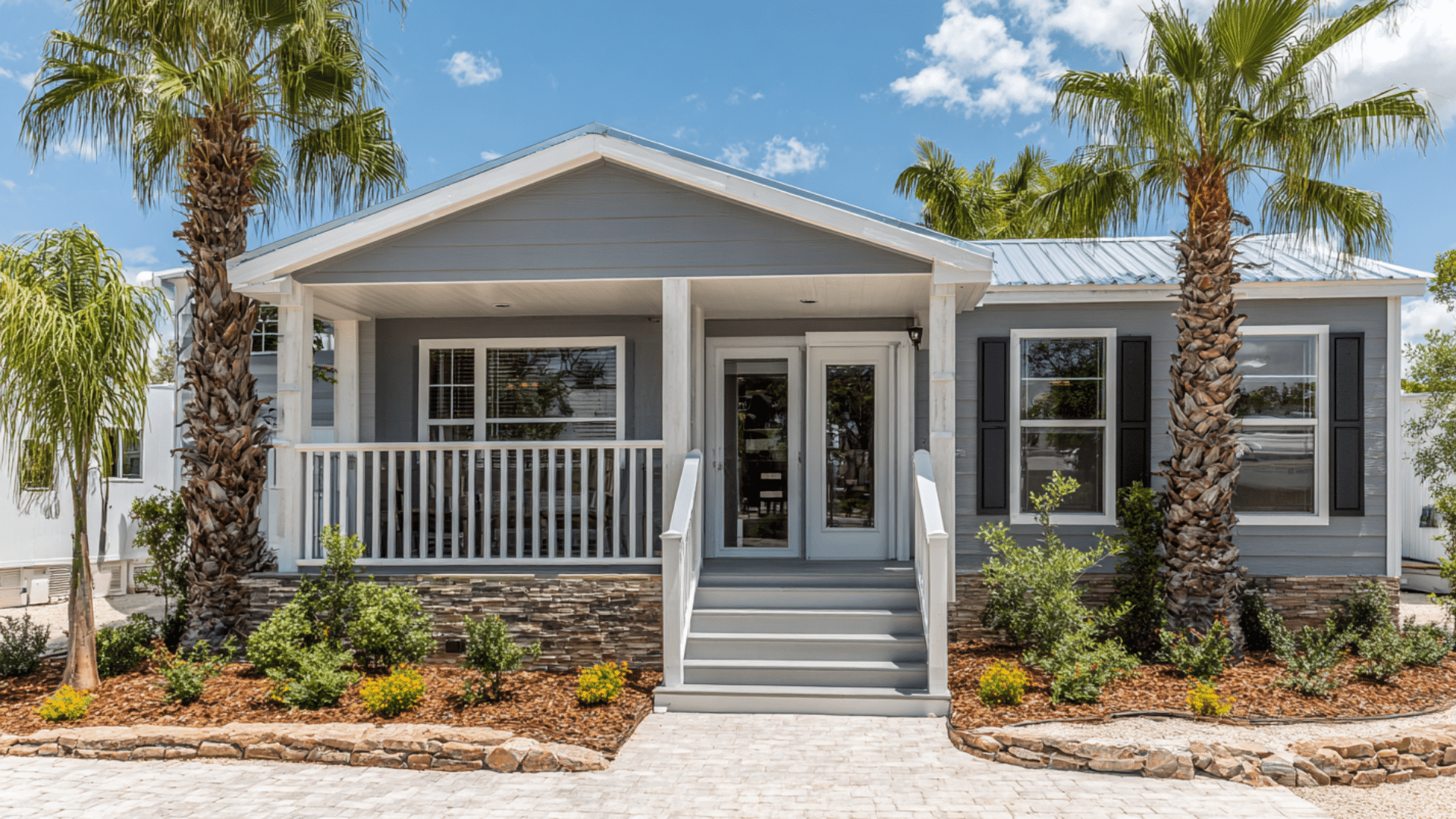
A single wide mobile home is a home built as one transportable section rather than multiple joined sections. In today’s market, these homes are often sold as single-section manufactured homes and are designed for buyers who want a smaller footprint, lower cost, and simpler installation than many double wide or triple wide options. Clayton says typical single-section homes usually range from about 14 by 56 feet to 18 by 80 feet, or roughly 784 to 1,440 square feet, though actual sizes vary by builder and floor plan.
Why Single Wide Homes Are Popular
The biggest reason is affordability. Manufactured homes are widely positioned by builders and housing agencies as a cost-conscious housing choice, and single wide models are often one of the most accessible entry points for first-time buyers, downsizers, and rural households. Champion describes manufactured homes as a modern, cost-effective housing option, while HUD continues to treat manufactured housing as an important part of the broader affordable-housing landscape.
Another reason buyers like single wide homes is efficiency. A smaller floor plan can mean lower upfront cost, less maintenance, and a layout that fits smaller lots more easily. Clayton and Champion both emphasize that modern single-section homes can still include attractive layouts, open living areas, and updated design features despite their smaller size.
Key Benefits of Single Wide Mobile Homes
Lower Cost of Entry
Single wide homes are often one of the most budget-friendly paths to homeownership. Because they use a single-section design, they can be easier to transport and may require less land and setup complexity than larger multi-section homes. That can make them appealing to buyers who want to stretch their budget further. This is a reasonable inference from HUD’s manufactured-home financing resources and from builders’ positioning of single-section homes as cost-effective choices.
Flexible Layouts
Modern single wide homes are not limited to cramped or outdated designs. Clayton notes that single-section homes come in a range of layouts and styles, and Champion highlights features such as open-concept spaces, larger kitchens, and tech-friendly living areas in some models.
Easier Site Fit
Because they are narrower than double wide or triple wide homes, single wide models may fit better on smaller parcels or in certain manufactured-home communities. Buyers still need to check local zoning, site access, and installation requirements, but the single-section footprint can make placement easier in some cases.
What Buyers Should Check Before Buying
Before purchasing, confirm that the home has the required HUD certification label and review any available data plate or related documentation. HUD’s manufactured housing resources explain that these labels are important proof that the home meets federal manufactured-home construction and safety standards.
You should also review financing, land placement, and installation rules. HUD’s Title I manufactured-home loan program says eligible borrowers may finance a manufactured home unit, a lot, or a home-and-lot combination through approved lenders. That makes financing possible, but buyers still need to compare lender terms, community rules, and site-preparation costs.
Are Single Wide Mobile Homes Worth It?
For many buyers, yes. If your priorities are affordability, manageable space, and a faster path into homeownership, single wide mobile homes can be a very practical choice. They are especially appealing for singles, couples, retirees, and small families who do not need a large floor plan but still want a private home environment. Builder examples from Clayton and Champion show that today’s single-section homes can offer a much more modern feel than older “mobile home” stereotypes suggest.
Final Thoughts
If you are searching for single wide mobile homes, you are really looking at one of the most accessible forms of manufactured housing on the market. These homes combine smaller size, simpler layouts, and strong affordability appeal. As long as you verify the HUD certification, understand financing and setup requirements, and compare floor plans carefully, a single wide home can be a smart long-term housing solution.