Cash Envelope Categories: How to Organize Your Budget and Control Spending
If you want a simple and practical way to manage your money, learning the best cash envelope categories can completely change the way you budget. The cash envelope system is one of the easiest budgeting methods for people who want to control spending, avoid overspending, and become more intentional with their money. It works by dividing cash into different spending categories, with each envelope representing a specific expense.
Once the money in an envelope is gone, you stop spending in that category until the next budgeting period. This creates clear limits and helps you stay accountable. The key to making this system work is choosing the right cash envelope categories for your lifestyle. When your envelopes match your actual spending habits, budgeting becomes much easier and more effective.
What Is the Cash Envelope System?
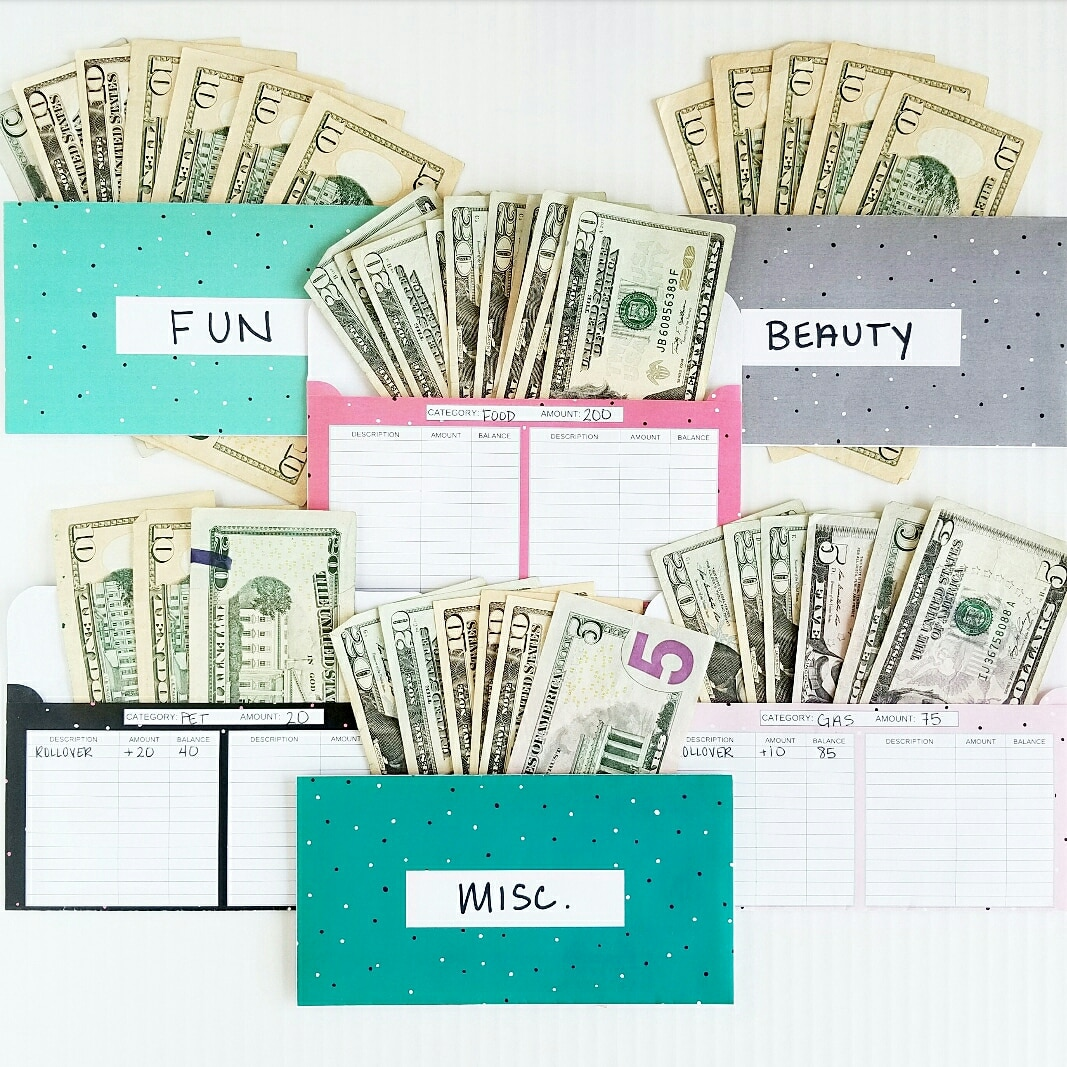
The cash envelope system is a budgeting method where you use physical cash for certain spending categories instead of relying only on debit or credit cards. At the beginning of the week or month, you withdraw a set amount of money and divide it into labeled envelopes. Each envelope is for a separate budget category such as groceries, gas, dining out, or personal spending.
This method gives you a visual and physical reminder of how much money you have available. It also helps reduce mindless swiping and impulse purchases because you can clearly see when funds are running low.
Many people find that using cash makes them more aware of their spending habits and helps them stick to their budget better than digital tracking alone.
Why Choosing the Right Cash Envelope Categories Matters
Not every budget category works well in cash. Fixed expenses like rent, insurance, or utility bills are usually paid electronically and may not need envelopes. The cash envelope system works best for variable expenses, especially the ones where overspending tends to happen.
The right cash envelope categories should reflect your real life. They should cover the areas where you spend regularly and where you need the most control. If you choose categories that are too broad or unrealistic, the system can become frustrating. If you choose categories that match your habits, it becomes a powerful budgeting tool.
Best Cash Envelope Categories to Use
The best categories depend on your household, income, and spending patterns, but some envelopes work well for most people.
1. Groceries
Groceries are one of the most common cash envelope categories because food spending can easily go over budget. Having a grocery envelope helps you stay focused while shopping and avoid throwing extra items into your cart.
This category works especially well for families or anyone trying to reduce food waste and manage weekly meal costs more carefully.
2. Dining Out
If takeout, coffee runs, and restaurant meals tend to add up quickly, a dining out envelope can help set clear spending limits. This category includes fast food, casual meals, and convenience purchases that often hurt a budget.
When the envelope is empty, it is a sign to start cooking at home and use what you already have.
3. Gas and Transportation
Transportation costs can vary from week to week depending on your schedule, fuel prices, or daily commute. A gas envelope helps you prepare for those costs and avoid pulling money from other areas of your budget.
You can also include parking, tolls, and public transportation if those apply to your lifestyle.
4. Personal Spending
Everyone needs some flexibility in a budget. A personal spending envelope gives you room for small purchases without guilt. This could include snacks, books, hobbies, small treats, or everyday wants.
This category is helpful because it allows fun spending within limits, rather than making your budget feel too restrictive.
5. Household Items
Toilet paper, cleaning products, laundry detergent, batteries, and other home essentials can quietly increase your monthly spending. A household envelope helps separate these items from your grocery budget so you can track them more accurately.
This is one of the most useful cash envelope categories for people who want a more detailed and realistic budget.
6. Entertainment
Entertainment spending often includes movies, outings, kids’ activities, or social events. A dedicated envelope for fun makes it easier to enjoy life without overspending.
This category is especially helpful if weekends are when your spending tends to get out of control.
7. Beauty and Self-Care
Haircuts, skincare, makeup, nail appointments, and grooming costs can be hard to manage if they are not planned for. A beauty and self-care envelope helps you budget for these expenses in advance and avoid last-minute overspending.
This category can be adjusted based on your priorities and routine.
8. Kids’ Expenses
If you have children, you know how often small expenses pop up. School events, snacks, supplies, activities, and extra outings can quickly affect your budget. A kids’ envelope helps prepare for these ongoing costs and keeps them from disrupting other spending categories.
Optional Cash Envelope Categories
In addition to the main categories, some people like to include extra envelopes for more specific spending areas.
Gifts
A gift envelope can be useful for birthdays, holidays, baby showers, and special occasions. Since these expenses happen regularly, it helps to prepare for them instead of treating them like surprises.
Clothing
If you tend to shop for clothes often or want to keep your wardrobe budget under control, a clothing envelope can help limit unnecessary purchases.
Pet Care
Food, treats, grooming, and pet supplies can add up over time. A pet envelope makes it easier to budget for those regular expenses.
Miscellaneous
A miscellaneous envelope can be helpful for small unexpected expenses that do not fit neatly into other categories. However, it should not be so large that it becomes an excuse for careless spending.
How to Choose Your Cash Envelope Categories
The best way to choose your categories is to review your recent spending. Look at your bank statements or receipts and identify areas where you spend the most or lose track of your budget. These are usually the best places to start.
You do not need to create ten envelopes on day one. Begin with the categories where overspending happens most often. For many people, that means groceries, dining out, gas, and personal spending. Once you get comfortable, you can add more categories if needed.
Try to keep your categories simple and useful. If they are too detailed, the system can become difficult to maintain.
Tips for Using Cash Envelopes Successfully
To make the system work, set realistic amounts for each envelope. If you underfund a category every month, you may become frustrated and give up. Base your envelope amounts on your actual spending patterns, not ideal guesses.
It also helps to budget weekly if monthly cash management feels too difficult. Some people refill envelopes once a week, which makes it easier to stay on track and adjust when necessary.
Most importantly, be consistent. The power of the cash envelope system comes from using it regularly and honestly.
Final Thoughts on Cash Envelope Categories
Choosing the right cash envelope categories can make budgeting easier, clearer, and more effective. Instead of wondering where your money went, you assign every dollar a purpose and create firm spending limits that help you stay in control.
Whether you start with groceries, gas, dining out, or personal spending, the important thing is to create a system that fits your real life. When used correctly, cash envelopes can help you reduce overspending, improve financial habits, and feel more confident about managing your budget.