Debt Snowball Worksheet: A Simple Tool to Pay Off Debt Faster
Paying off debt can feel overwhelming when you are looking at multiple balances, interest rates, and monthly payments all at once. That is why using a debt snowball worksheet can be such a helpful step. It gives you a clear way to organize your debts, track your progress, and stay motivated as you work toward financial freedom.
The debt snowball method is one of the most popular debt payoff strategies because it focuses on quick wins. Instead of starting with the highest interest rate, you begin by paying off the smallest balance first while making minimum payments on everything else. Once that smallest debt is gone, you roll that payment into the next debt. Over time, your payments grow like a snowball rolling downhill.
A debt snowball worksheet makes this method easier to follow. It helps you see exactly what you owe, how much you are paying, and which debt to attack first. If you are ready to feel more in control of your finances, this tool can help you build a plan that actually works.
What Is a Debt Snowball Worksheet?
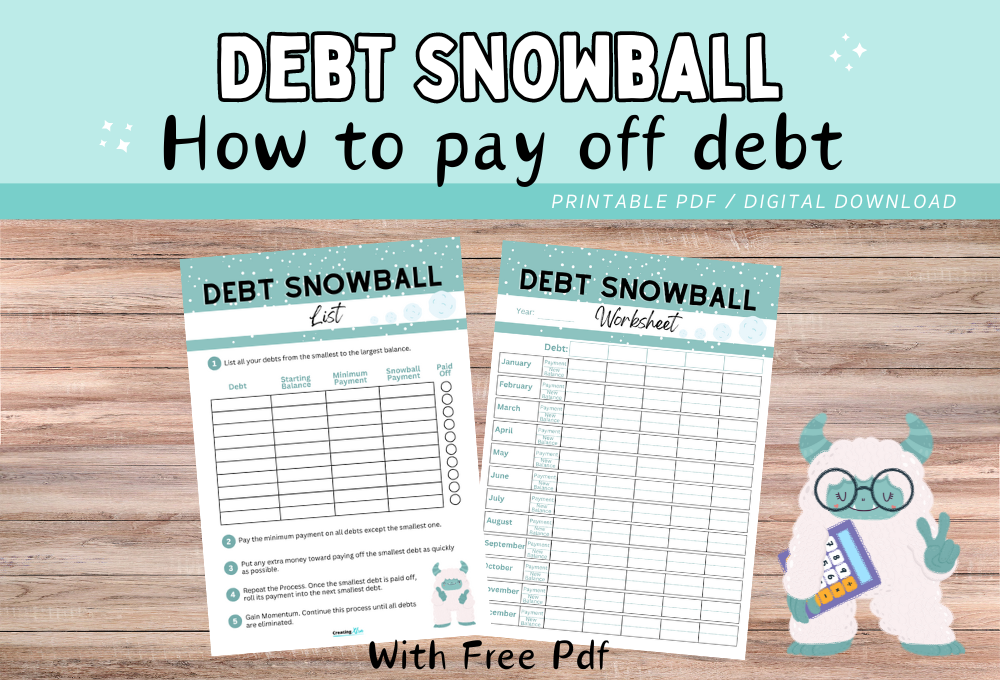
A debt snowball worksheet is a simple document that helps you list all your debts in order from smallest balance to largest balance. It usually includes details such as the name of the creditor, total balance, minimum payment, due date, and space to track your progress.
The worksheet is designed to support the debt snowball method. Instead of guessing which bill to focus on next, you follow a clear system. Every time you pay off one debt, you update the worksheet and move on to the next account in line.
This visual structure can be very motivating. Watching balances disappear and seeing your progress on paper often makes debt repayment feel more manageable.
How the Debt Snowball Method Works
The debt snowball method is built around momentum. You start by listing all your debts from the smallest balance to the largest balance, regardless of interest rate. Then you pay the minimum amount on all debts except the smallest one. On that smallest debt, you pay as much extra as you can each month.
Once the smallest debt is paid off, you take the money you were putting toward it and add that amount to the minimum payment on the next debt. This creates a snowball effect. Your monthly debt payment grows over time, helping you pay off each balance faster.
Many people like this method because it provides early success. Those small wins can create the motivation needed to stay consistent over the long term.
Why Use a Debt Snowball Worksheet?
A debt snowball worksheet does more than just hold information. It gives your debt payoff plan structure. Without a worksheet, it is easy to lose focus, miss progress, or feel discouraged. When your debts are written down clearly, the process feels less chaotic and more actionable.
One of the biggest benefits is clarity. You can see the full picture of your debt in one place. You know what to pay first, how much to pay, and what your next goal is. That clarity can reduce stress and help you make smarter financial decisions.
Another major benefit is motivation. Every time you cross out a debt or update a lower balance, you get a visual reminder that your hard work is paying off. That sense of progress can be powerful.
What to Include in a Debt Snowball Worksheet
A useful debt snowball worksheet should be simple, clear, and easy to update. You do not need anything complicated. In fact, the best worksheets are often the ones that are easiest to use consistently.
Debt Name
List each debt separately. This might include credit cards, personal loans, medical bills, car loans, or student loans.
Total Balance
Write the current balance for each debt. This is the amount you still owe.
Minimum Payment
Include the minimum monthly payment required for each debt. This helps you understand your baseline obligations.
Extra Payment
Add a space to record any extra payment you plan to put toward your target debt.
Due Date
Tracking due dates can help you stay organized and avoid late fees.
Payoff Order
Number your debts from smallest balance to largest balance so you can clearly follow the snowball method.
Progress Tracker
Leave room to update balances or mark debts as paid off. This part is important for motivation.
How to Use a Debt Snowball Worksheet Effectively
Start by gathering all of your current debt information. Look at your statements, loan accounts, or credit reports and write down each balance and minimum payment. Then sort everything from the smallest debt to the largest.
Next, choose a monthly amount you can put toward debt. Make the minimum payments on all accounts and send any extra money to the smallest balance. Update your worksheet each month as balances change.
The key is consistency. Even if your extra payment amount is small, the worksheet helps you keep moving in the right direction. As each debt is paid off, roll that payment into the next one and continue updating your worksheet.
It is also helpful to review your worksheet regularly. This keeps your goals fresh in your mind and helps you stay focused when temptation or setbacks appear.
Tips for Staying Motivated During Your Debt Payoff Journey
Paying off debt takes time, so motivation matters. A debt snowball worksheet can help, but your mindset also plays an important role. Celebrate small wins when you pay off a balance. Those moments matter because they remind you that progress is happening.
Try to avoid adding new debt while using the snowball method. The more consistent you are, the faster your worksheet will start showing real results. You can also look for ways to free up extra cash, such as cutting non-essential spending, selling unused items, or picking up temporary side income.
Most importantly, remember that progress is still progress, even if it feels slow at times.
Final Thoughts on Using a Debt Snowball Worksheet
A debt snowball worksheet is one of the simplest and most effective tools you can use to organize your debt payoff plan. It turns a stressful financial situation into a step-by-step process that feels manageable and motivating. By listing your debts, tracking payments, and focusing on one balance at a time, you create momentum that can help you stay committed.
Whether you are paying off credit card balances, personal loans, or medical bills, a worksheet can give you the structure you need to keep going. The debt snowball method is popular for a reason. It works well for people who need visible progress and motivation along the way.
Start with your smallest debt, update your worksheet regularly, and keep building momentum. One payment at a time, you can move closer to a life with less stress and more financial freedom.