Dog Crate Training Schedule: A Simple Daily Plan for Faster Success
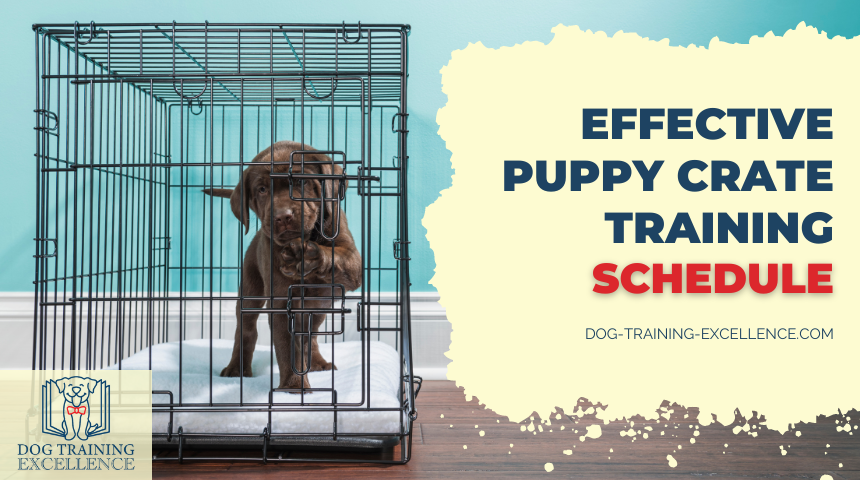
A dog crate training schedule can make life much easier for both you and your dog. Crate training works best when it follows a clear routine instead of happening randomly throughout the day. Dogs feel more secure when they know what to expect, and a structured schedule helps them learn that the crate is a safe, calm, and comfortable place.
Many dog owners struggle with crate training because they either move too fast or use the crate only when they are leaving the house. This can cause stress and make the dog think the crate is a form of punishment. A better approach is to build positive habits slowly and consistently. With the right dog crate training schedule, your dog can learn to rest peacefully in the crate, reduce accidents in the house, and develop better daily routines.
Why a Dog Crate Training Schedule Matters
Dogs thrive on routine. When feeding times, potty breaks, playtime, naps, and crate sessions happen at regular times, your dog starts to understand the pattern of the day. This is especially important for puppies, who need frequent bathroom breaks and a lot of rest.
A consistent dog crate training schedule helps with house training, prevents overstimulation, and teaches your dog how to settle down. It also reduces whining and anxiety because your dog begins to associate the crate with comfort instead of confusion.
The goal is not to keep your dog in the crate all day. The goal is to use the crate as a training tool that supports healthy habits and gives your dog a secure place to relax.
How to Start Crate Training the Right Way
Before following a schedule, make sure the crate feels welcoming. Add a soft bed or blanket if your dog does not chew bedding, and place the crate in a quiet area where the family spends time. You want your dog to feel included, not isolated.
Start by letting your dog explore the crate with the door open. Toss treats inside, place toys near the entrance, and allow your dog to go in and out freely. Once your dog feels comfortable entering the crate, begin short sessions with the door closed for a few minutes at a time.
Always try to create a positive connection. Praise calm behavior, offer treats, and avoid forcing your dog inside. This builds trust and makes the schedule much easier to follow.
Sample Dog Crate Training Schedule for Puppies
Puppies need frequent bathroom breaks, regular meals, and plenty of naps. A crate training schedule helps balance all of these needs while teaching them independence.
Morning
Start the day by taking your puppy outside immediately after waking up. After the potty break, offer breakfast and some fresh water. Once your puppy has eaten, take them outside again for another potty break.
After breakfast and a little playtime, place your puppy in the crate for a short rest period. Puppies usually need a lot of sleep, so this is a great time for a calm crate session.
Mid-Morning
Take your puppy outside as soon as they come out of the crate. Then allow time for play, training, and supervised free movement around the house. After some activity, guide your puppy back into the crate for another short nap.
This pattern of potty, activity, and crate rest can continue throughout the day.
Afternoon
Feed lunch if your puppy is still eating three meals a day. Follow the meal with a potty break and active time. Afterward, use the crate again for rest. Afternoon crate sessions can help prevent overtired behavior, which often leads to biting, zoomies, and whining.
Evening
Give dinner, take your puppy outside, and allow some play or family time. Later in the evening, use the crate for another calm rest session if needed. Before bedtime, take your puppy outside one last time and settle them into the crate for the night.
Young puppies may still need one or more nighttime potty breaks depending on their age.
Sample Dog Crate Training Schedule for Adult Dogs
Adult dogs usually need fewer potty breaks and may already have better bladder control, but they still benefit from routine. A crate can help them rest, stay safe when unsupervised, and manage separation training.
A typical day may begin with a morning walk or potty break, followed by breakfast. After some exercise and interaction, your dog can spend a short period in the crate while you work or handle other tasks.
Later in the day, allow more time for exercise, training, and mental stimulation. Adult dogs should not be crated for excessive periods without breaks. The schedule should include enough activity so the crate becomes a place for rest, not boredom.
In the evening, another walk, dinner, and relaxed family time can help your dog settle before bedtime.
Tips for Making a Crate Schedule Work
A dog crate training schedule works best when you stay consistent. Try to keep potty breaks, meals, naps, and crate sessions around the same times each day. This predictability helps your dog adjust more quickly.
Keep crate sessions short in the beginning. As your dog becomes more comfortable, you can slowly increase the amount of time. If your dog starts whining, avoid immediately opening the crate unless you believe they truly need a potty break. Otherwise, they may learn that whining gets the door opened.
Exercise also matters. A dog with too much unused energy will struggle to relax in a crate. Short walks, play sessions, training games, and puzzle toys can help your dog feel calmer and more ready to rest.
Common Crate Training Mistakes to Avoid
One common mistake is using the crate only when leaving the house. This can make the crate feel negative or stressful. Instead, include crate time even when you are home so your dog sees it as a normal part of the day.
Another mistake is moving too fast. If your dog is anxious, shorten the sessions and rebuild confidence slowly. Forcing long crate periods before your dog is ready can cause setbacks.
It is also important not to use the crate as punishment. The crate should feel safe and positive, not like a place where your dog is sent for doing something wrong.
Final Thoughts on a Dog Crate Training Schedule
A well-planned dog crate training schedule can help your dog feel more secure, improve house training, and create a smoother daily routine. Whether you are training a young puppy or helping an adult dog adjust to crate time, consistency is the key to success.
By combining potty breaks, meals, exercise, and rest in a clear pattern, you teach your dog what to expect and make the crate a calm, trusted space. Start slowly, stay patient, and focus on positive experiences. Over time, crate training can become one of the most useful parts of your dog’s routine.